Visit Rwanda in November
Visit Rwanda in November : November is Rwanda’s quiet month. The short rains are at their height, the crowds of the dry season are gone, lodges are calm and the hills are green. For some travellers that sounds like a reason to stay away. For others, it is exactly the point.
Birdwatchers find migrants arriving alongside resident species, wellness travellers find peaceful lakeside settings for yoga and rest, and safari lovers find gorilla trails with few other people and lodge rates that are often lower than in the dry season.
This guide treats November as three kinds of trip: a birding trip, a wellness and yoga trip and a classic safari trip, with practical notes for each. It covers the weather and how it affects each activity, the best birding sites and what to look for, how to choose a yoga or wellness retreat, what gorilla trekking and Akagera are like in the rains, what reports say about low-season permit discounts, a seven-day itinerary and who November suits.
November at a Glance
Climate guides note that visiting in the wetter months, such as November, means far fewer other trekkers on the trails, and that gorilla sightings happen year-round with a strong success rate. A November trip therefore trades some comfort for quiet and value.
| Factor | November in Rwanda |
| Season | Short rains, which run from October to November and sometimes into mid-December |
| Weather | Frequent showers with rainfall remaining high, lush greenery and breaks of sunshine |
| Crowds | Low, with far fewer trekkers on the trails |
| Gorilla permit | US$1,500, with a reported low-season rate of US$1,050 for combined stays from November to May that one source denies |
| Wildlife | Resident species plus arriving migrants, with gorillas, golden monkeys and chimps available |
| Best for | Birders, wellness travellers, budget-conscious visitors and those who want quiet |
Weather in November
The short rains, from October to November and sometimes to mid-December, are lighter and less predictable than the long rains of March to May. Rainfall in November is described as remaining high, and showers can be heavy but often clear quickly, leaving bursts of sunshine. Rainfall records from 1981 to 2017 show that the September-to-December rainy season has become wetter, so November may be rainier than older guides suggest.
In the highlands around Volcanoes National Park and Nyungwe, expect mist, cool mornings and wet trails. Kigali and Lake Kivu are milder, and Akagera is warmer and drier but still receives rain. The practical advice is to expect showers every day or two, plan outdoor activities for the morning and keep a spare day.
Birding in November:
Rwanda is a strong birding country because it sits on the Albertine Rift, a biodiversity hotspot with species found nowhere else. Nyungwe is described as the birding mecca of the country, with more than 300 species recorded in some accounts and 351 in the UNESCO nomination, and Akagera is second, with more than 500 species recorded in operator accounts. Rugezi Marsh, Gishwati-Mukura National Park, Lake Kivu’s shore and Volcanoes National Park also reward birders.
From about November to April, Palearctic migrants from Europe and Asia, including swallows, rollers, kestrels and storks, are present in East Africa alongside resident birds, producing some of the highest species counts of the year. Residents are active and often in breeding plumage, and the lush habitat means birds are calling and feeding. For dedicated birders, November is a good month to start.
The Best Birding Sites and What to Look For
Birding works best with a local guide, early starts and patience. Forest birds are often heard before they are seen, so a field guide or an app with calls is valuable, and binoculars are essential. Keep a trip list, and ask your guide to point out species you cannot identify.
| Site | Habitat | What Birders Value |
| Nyungwe National Park | Montane rainforest, UNESCO site since 2023 | The country’s birding mecca, with forest specialists and Albertine Rift endemics |
| Akagera National Park | Savannah, lakes and papyrus swamps | Waterbirds, raptors and savannah species, with a very long list |
| Rugezi Marsh | High-altitude wetland in the north | A named birding area with wetland specialists |
| Gishwati-Mukura National Park | Restored forest fragments in the west | Forest birds and a quiet setting |
| Lake Kivu shore and islands | Lake, reeds and terraced hills | Waterbirds and shoreline species, with Napoleon Island’s fruit bats at dusk |
| Volcanoes National Park | Bamboo forest and moorland | Montane birds alongside the primates |
Yoga and Wellness: General Guidance for a Rwanda Retreat
Rwanda’s quiet lakeside towns, mild climate, green hills and slow pace appeal to travellers who want rest as well as adventure. Yoga and wellness sessions are offered by some lodges, studios in Kigali and retreat organisers, often combined with a gorilla trek or a stay on Lake Kivu. November’s rain and quiet can suit a retreat, since there are fewer people and the sound of rain on a roof is part of the atmosphere.
If you plan a retreat, ask about the instructors’ qualifications and experience, the schedule and style of practice, the altitude and what the setting is like in rain, and what is included in the price. Check whether the retreat is run locally or by an international organiser, and whether it supports local staff and communities. Combining a retreat with a trek works well, but schedule the trek first and the retreat after, so that you recover from the hike.
Safari Experiences in the Short Rains
Gorilla trekking in Volcanoes National Park runs year-round, with a permit costing US$1,500 and groups limited to eight visitors. In November, trails are wet and muddy, gaiters and waterproofs are essential and a porter, at about US$20 to US$30, is a great help. Golden monkey tracking, at about US$100, is a gentler option, and Bisoke and Fossey hikes, at about US$75 each, are possible with good gear.
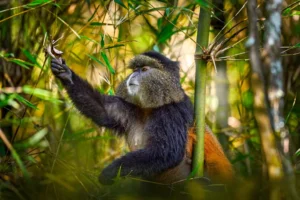
Nyungwe is atmospheric in November, with misty forest and active primates. Chimpanzee tracking is quoted at US$90 to US$150 and the canopy walk at about US$60. Akagera is lush and quiet, with boat trips on Lake Ihema and game drives that need more searching as animals disperse. Entry is quoted at about US$50 per person per day in one source.
Costs, Discounts and Booking
November is the first month of the reported low-season window, so it is the first month in which a combination discount could apply. If you are interested, ask your operator whether the US$1,050 rate applies to your dates and conditions, and get the answer in writing. If it is not confirmed, plan at US$1,500.
Lodge rates in November are generally lower than in the dry season, with lodges near Volcanoes quoted from about US$250 to more than US$3,500 per person per night in a 2026 guide. Booking is easy, with plenty of availability, though you should still book permits ahead. Ask for itemised quotes and compare packages.
A Seven-Day November Itinerary
To add Akagera, start the trip there and extend by two or three days. If birding is your priority, add a day at Rugezi Marsh and another at Gishwati-Mukura.
| Day | Plan |
| 1 | Arrive in Kigali and visit the Genocide Memorial |
| 2 | Drive to Musanze, with a village walk |
| 3 | Gorilla trek with a porter, followed by a rest afternoon |
| 4 | Drive to Lake Kivu for a quiet stay, with a morning bird walk |
| 5 | A yoga or wellness morning, then a boat trip to Napoleon Island at dusk |
| 6 | Drive toward Nyungwe for forest birding and chimps |
| 7 | Canopy walk and return to Kigali, with a spare half day |
Who November Suits, and Who Might Prefer Another Month
November suits birders, wellness and yoga travellers, budget-conscious visitors, repeat visitors who want quiet and anyone who values green landscapes and solitude. It is also a good choice for those who are flexible and can enjoy a day in the rain.
It is a weaker choice for travellers who want dry trails and clear volcano views, for those with mobility concerns, for visitors with a tight schedule and for anyone who needs certainty about permit discounts. If those apply, consider June to September or December to February.
What to Pack for November
- A waterproof jacket and trousers, gaiters and quick-dry clothing.
- Waterproof hiking boots, gloves and a walking stick.
- Warm layers for cool, damp mornings in the highlands.
- A dry bag, camera rain cover and silica packs.
- Binoculars and a bird guide, with a notebook for a trip list.
- Comfortable clothing, a mat and a light blanket if you plan a yoga retreat.
- A reusable bag, since single-use plastic bags are banned.
Getting There and Getting Around
Kigali International Airport is the main entry point, and a visa on arrival is available to all nationalities, with a single-entry tourist visa quoted at US$50 for 30 days. Kigali to Musanze is about two to three hours by road, Lake Kivu three to four and Nyungwe five or more. Buses from Nyabugogo serve the main towns, and a private driver is helpful in the rain.
A Dawn-to-Dusk Birding Day
In the short rains, the best birding is often in the first three hours of the morning, before cloud and showers build. Keep a dry bag for binoculars, a lens cloth and a small notebook, and expect to wait. A rain shower can bring a flush of activity once it passes, so do not retreat too quickly.
| Time | What to Do |
| 5:30 to 6:00 | Hot drink, then meet your guide at the trailhead while the forest is still cool and the birds are most vocal |
| 6:00 to 9:00 | Peak birding, walking slowly along forest or marsh edges and listening for calls before looking |
| 9:00 to 11:30 | A second session or a boat trip on a lake, when waterbirds and raptors become more visible |
| 11:30 to 14:00 | Lunch and rest, since activity drops and rain showers are more likely in the afternoon |
| 14:00 to 17:00 | A shorter walk or drive, with attention to open habitat and water |
| Dusk | Fruit bats leaving Napoleon Island if you are at Lake Kivu, or nightjars and owls on a guided night walk where offered |
Choosing a Birding Guide
A good local guide transforms a birding trip. Ask whether the guide knows the calls, has worked at the specific site and can show you target species such as forest specialists in Nyungwe or waterbirds at Akagera. Ask how many birders the guide takes at once, since small groups see more, and whether the guide is licensed through the park or your operator.
Share your target list at the start, tell the guide what you have already seen and be honest about your experience. A guide who understands what you want will adjust the pace, and many will go out of their way to find a bird you are hoping for. Tip well, and record your sightings in a trip list so you can compare them with future visits.
Frequently Asked Questions
Is November a good time to visit Rwanda?
It suits birders, wellness travellers and flexible visitors who want quiet and value, though it is in the short rains.
Is November good for birding?
Yes. Migrants from Europe and Asia arrive from about November alongside resident birds, giving some of the highest species counts of the year.
Can I trek gorillas in November?
Yes. Trekking runs year-round, with muddier trails and far fewer other trekkers.
Is the permit cheaper in November?
Some sources report a US$1,050 low-season rate for combined stays from November to May, but one denies it, so confirm before booking.
Are there yoga retreats in Rwanda?
Some lodges and organisers offer them, but this guide found no sources, so check any retreat independently.