Visit Rwanda in June
June is when Rwanda’s travel season properly begins. The long rains have ended, skies clear, trails dry out and the long dry season, which runs to September, brings the most reliable trekking conditions of the year.
Climate guides describe June as the start of the long dry season with ideal trekking conditions returning, and for primate lovers that is the signal to go. It is also when the best-run tours begin to fill, and it is a good month to compare the main safari options side by side.
This guide is organized around tour choice. It explains what the weather is like in June, then compares the three most common ways to see Rwanda’s primates: a short gorilla-only trip, a week combining gorillas and chimpanzees and a longer circuit that adds Akagera and Lake Kivu.
It sets out what each includes, what it costs, how to judge a tour operator, what chimpanzee tracking is really like and how to add golden monkeys and hikes. It flags where sources disagree, particularly on chimpanzee permit prices and discounts.
June at a Glance
Climate guides describe June to September as offering an ideal climate for exploration, with prime gorilla viewing, and recommend it as the best time to track gorillas in Volcanoes National Park, chimps in Nyungwe and do a safari in Akagera. June sits at the start of that window, so it offers dry weather with slightly fewer people than July and August.
| Factor | June in Rwanda |
| Season | Start of the long dry season, which runs from June to September |
| Weather | Clear skies and more sunshine, with occasional short showers in the highlands |
| Crowds | Rising through the month as summer holidays begin in Europe and North America |
| Permits | Gorilla permit US$1,500, with high-season dates often excluded from reported discounts |
| Wildlife | Firm trails for gorillas, chimps and golden monkeys, and game gathering at water in Akagera |
| Best for | Primate-focused tours, first-time visitors and travellers who want the most comfortable trekking |
Weather in June, Region by Region
The mountain rainforests can still produce downpours that last from a few minutes to a couple of hours even in the dry season, so waterproofs remain essential. The difference from March to May is that these showers are brief, and the trails recover quickly.
| Region | What to Expect | Practical Note |
| Volcanoes and Musanze | Cool mornings, clearer skies and good views of the Virunga peaks, with sporadic short showers | Carry a waterproof jacket and warm layer |
| Nyungwe | Cool and humid, with mist and rain possible at any time | Firmer trails than in the rains |
| Kigali and Lake Kivu | Mild, sunny and pleasant | Light layers for evenings |
| Akagera | Warm and dry, with hot afternoons | Wildlife concentrates around lakes and rivers |
Three Tour Models Compared
The right choice depends on time and priorities. If you have four or five days, the gorilla-focused tour gives you the headline experience with little travel. If you have a week, adding Nyungwe gives you a second primate encounter and a very different forest. If you have ten days or more, the full circuit gives you the full range, including the Big Five in Akagera.
| Tour | Typical Length | What It Covers | Best For |
| Gorilla focus | 3 to 5 days | Kigali, one gorilla trek in Volcanoes, optionally golden monkeys or a volcano hike | Short trips and first-time visitors |
| Gorillas and chimps | 6 to 8 days | Gorilla trek, golden monkeys, Lake Kivu, Nyungwe chimps and canopy walk | Primate enthusiasts |
| Full circuit | 9 to 12 days | Kigali, Akagera Big Five, Volcanoes, Lake Kivu or Congo Nile Trail and Nyungwe | Travellers who want all of Rwanda’s habitats |
1: The Gorilla-Focused Trip
A typical gorilla-focused tour begins in Kigali, drives to Musanze, includes a gorilla trek and returns. Packages quoted for 2026 include one gorilla permit, two or three nights at a lodge near Volcanoes, private transfers, meals and a guide, often with golden monkey tracking or a volcano hike as an extra. A two-night stay near the park is quoted at about US$400 to US$700 at the lower end and US$1,000 to US$2,400 at the higher end in one breakdown, in addition to the US$1,500 permit.
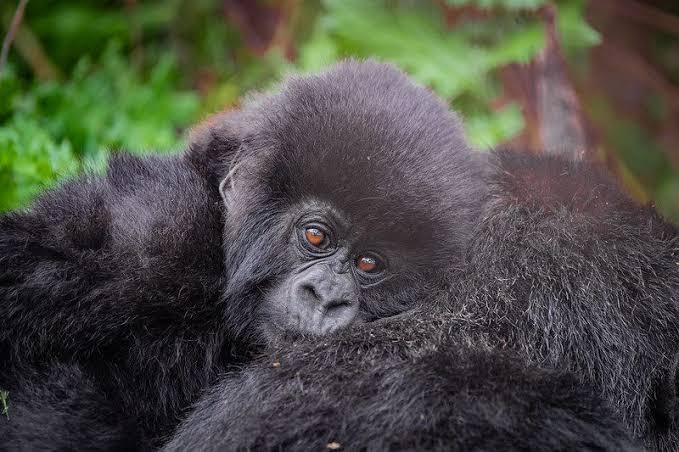
The advantage of this model is simplicity: little time on the road and the main experience in a short trip. The trade-off is that you see only one habitat, so consider adding Kigali’s memorial and a rest day. Book the permit first, since June dates are in high demand.
2: Gorillas and Chimpanzees
A six- to eight-day tour that combines Volcanoes and Nyungwe is the most popular choice for primate lovers. After the gorilla trek, you drive to Lake Kivu for a rest, then on to Nyungwe in the south-west for chimpanzee tracking and the canopy walk. The journey between Volcanoes and Nyungwe is long, typically five hours or more, so most itineraries break it at Lake Kivu.
Chimpanzee tracking starts early and can involve steep, muddy walking, and permits are quoted at US$90 in one source and US$150 in another, so confirm the current rate when you book. The canopy walk, a suspended bridge above the forest, is quoted at about US$60. Nyungwe has 13 primate species in most counts and was inscribed on the UNESCO World Heritage List in 2023, so the forest itself is part of the attraction.
3: The Full Circuit With Akagera and Lake Kivu
A nine- to twelve-day circuit adds Akagera’s Big Five and often the Congo Nile Trail or extra time on Lake Kivu. Lions were reintroduced to Akagera in June 2015 with seven animals from South Africa and black rhinos in 2017 with twenty, with more in 2019, and the park is Rwanda’s only Big Five destination. Entry is quoted at about US$50 per person per day in one source, and activities include game drives and boat trips on Lake Ihema.
This model gives you gorillas, chimps, savannah game and a lake in a single journey, but it involves several long road legs. Allow two nights per base, keep at least one rest day and consider a private driver-guide so that you can adjust the pace.
What Chimpanzee Tracking Is Really Like
Chimpanzee tracking in Nyungwe differs from gorilla trekking. The animals are more mobile, and groups can be harder to find, so the trek may be long and steep, and you may need to move quickly when the chimps are on the move. Trackers go ahead at dawn to locate the group, and visitors follow with guides, with an hour allowed with the chimpanzees once they are found.
Wear waterproof boots, long trousers and a warm layer, carry water and be ready for mud. Chimpanzees can be noisy and active, and sightings can be fleeting in dense forest, so patience matters. Nyungwe’s other primates, including L’Hoest’s monkeys and Ruwenzori colobus in troops of up to 400, make the experience rewarding even if the chimps are elusive.
Adding Golden Monkeys and Hikes
Golden monkey tracking, quoted at about US$100, is the best value add-on in Volcanoes. The monkeys are playful and fast, and the half-day trek is gentler than a gorilla trek. The Bisoke crater lake hike and the Dian Fossey grave hike, both quoted at about US$75, add history and views, and the Karisimbi climb, quoted at US$150 in one source and US$400 in another, is a two-day challenge.
In June, with dry weather, these hikes are at their best. If you plan to combine several activities, schedule the harder ones first and keep a rest day between treks.
What Tour Packages Usually Include
Ask every operator for an itemised quote that lists each permit, each night and each transfer. Some packages state a single price that includes the US$1,500 permit, and others list it separately, so compare like with like.
| Usually Included | Often Extra |
| Gorilla permit, where stated | Chimpanzee and other permits, if not specified |
| Lodging and meals | Premium drinks and spa treatments |
| Private transfers and a driver-guide | Porters, which cost about US$20 to US$30 |
| Park entry fees for listed activities | Tips for guides, trackers and porters |
| Bottled water on transfers | Visa fees, insurance and international flights |
How to Judge a Tour Operator
A good operator will answer these questions clearly and will advise you on timing, fitness and gear. If a price seems too good to be true, check what has been left out.
- Ask for the operator’s licence details and recent references, and check them.
- Confirm that permits are booked directly with the Rwanda Development Board and that you will receive written confirmation.
- Ask how many travellers per vehicle and what the cancellation policy is for permits.
- Compare itemised prices, and be wary of quotes that are far below the cost of the permit plus lodging.
- Ask how the operator supports communities and conservation.
Events and Holidays in June
June has few national holidays, and the main driver of demand is the start of the summer holidays in Europe and North America. A list of African marathons places the Kigali International Peace Marathon in June, which can fill Kigali hotels and affect traffic on the day. If you are travelling for primates, check whether event dates overlap with your arrival or departure.
Who June Suits, and Who Might Prefer Another Month
June suits first-time visitors who want dry trekking, primate enthusiasts who want to combine gorillas and chimps, families and couples who want reliable weather and travellers who can book early. It is also a good choice for those who want to avoid the busiest weeks of July and August.
It is a weaker choice for travellers who want the lowest prices, since lodges and permits are in higher demand, or for those who need guaranteed discounts. If cost matters most, consider the wetter months, and confirm any discount before relying on it.
What to Pack for June
- Waterproof hiking boots, gaiters and long trousers for treks.
- A waterproof jacket, since highland showers are possible.
- Layers and a warm fleece for cool mornings.
- Gardening gloves, a hat, sunglasses and sunscreen.
- Binoculars and a camera with a fast lens.
- A reusable bag, since single-use plastic bags are banned.
Getting There and Getting Around
Kigali International Airport is the main entry point, and a visa on arrival is available to all nationalities, with a single-entry tourist visa quoted at US$50 for 30 days and the East Africa Tourist Visa at US$100. Kigali to Musanze is about two to three hours by road, and Nyungwe is five hours or more. Private vehicles with driver-guides are the norm for tours, and buses serve independent travellers.
Frequently Asked Questions
Is June a good time to visit Rwanda?
Yes. It is the start of the long dry season, with clearer skies, firmer trails and ideal trekking conditions.
How much does chimpanzee tracking cost?
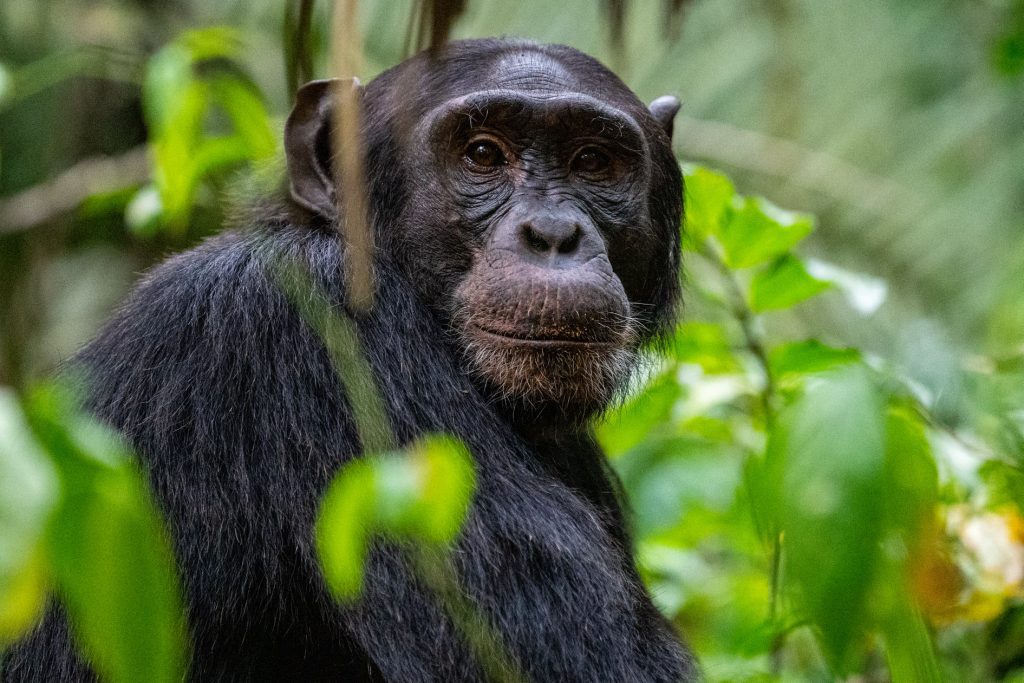
Quoted at US$90 in one source and US$150 in another, so confirm when booking.
How many days do I need for gorillas and chimps?
Six to eight days, allowing for the long drive between Volcanoes and Nyungwe.
Does a tour price include the gorilla permit?
Some do and some list it separately, so ask for an itemised quote.
Can I add the Big Five?
Yes, by adding Akagera National Park, which needs two or three extra days.