Rwanda Safaris in February
February is a month of two halves in Rwanda. The first weeks usually belong to the short dry season, with warm sunshine, firm trails and some of the best gorilla trekking conditions of the year.
Toward the end of the month, the rains begin to return, clouds build over the volcanoes and the landscape starts to turn green. For travelers who want a mix of wildlife and culture and who can be flexible about the last week, February is one of the best months to be in the country.
This guide explains February in practical terms. It covers the weather and how it changes through the month, gorilla trekking and golden monkey tracking, Akagera and Nyungwe, a menu of cultural tours that work well when the weather is good, how prices and permits behave, a seven-day itinerary and who February suits.
It flags where sources disagree, particularly on when the rains begin, and identifies points that come from general knowledge.
February at a Glance
One 2026 climate guide describes February as the end of the short dry season, with rain increasing, while another describes it as superb for dry gorilla trekking, with the warm climate and sunshine making visits unforgettable. Both are true: it depends on which week you are in.
| Factor | February in Rwanda |
| Season | End of the short dry season, with rain increasing toward the end of the month |
| Weather | Warm and mostly dry early in the month, with more cloud and showers later |
| Crowds | Moderate, easing after the holiday period |
| Gorilla permit | US$1,500 per person, with no confirmed February discount |
| Wildlife | Dry trekking conditions, active Akagera and comfortable Nyungwe trails |
| Best for | Dry-weather treks combined with cultural tours and travelers who want to avoid the peak summer crowds |
Weather in February and When the Rains Return
In the first half of February, expect warm, mostly dry weather, particularly in Kigali and the eastern plains, with clear mornings in the highlands. Climate guides describe February as still dry-ish and transitioning toward the long rains, and some place the start of the rainy season in February. By the last week, showers can become frequent, clouds can obscure the volcano peaks and trails can start to turn muddy.
The practical advice is to choose early or mid-February if dry trails and views are your priority. If you must travel in the last week, pack for rain, keep a spare day, and expect the landscape to be greener and the light softer. Check the forecast for the specific region a week before you leave.
Gorilla Trekking and Golden Monkeys in February
Gorilla trekking in Volcanoes National Park runs all year, and February is one of the more comfortable months. A briefing at park headquarters in Kinigi is followed by a trek of anything from under an hour to several hours, with groups of up to eight visitors and an hour with a habituated family.
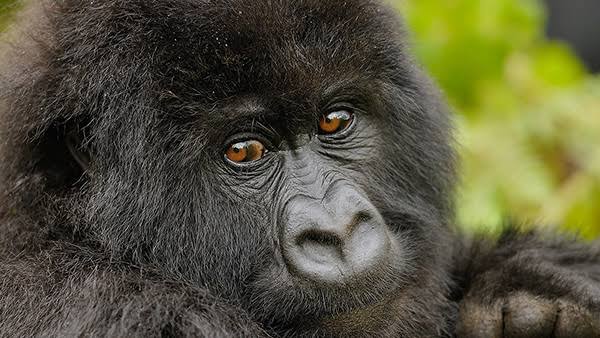
The permit costs US$1,500, set by the Rwanda Development Board, and a 2026 source says the price is the same in every month.
Golden monkey tracking, at about US$100, is a gentler second trek, and volcano hikes to the crater lake on Mount Bisoke and the grave of Dian Fossey, both quoted at about US$75, are good options in dry weather.
The two-day Karisimbi climb, quoted at US$150 in one source and US$400 in another, is best attempted earlier in the month when the weather is more stable.
Wildlife Beyond the Gorillas: Akagera and Nyungwe
Akagera is at its best in the dry months, when wildlife gathers around lakes and rivers. February’s early weeks offer the last of the dry-season concentration, with lions, elephants, buffalo, giraffes, hippos, and rhinos on offer with some luck.
Entry is quoted at about US$50 per person per day in one source, and boat trips on Lake Ihema are a good way to see hippos, crocodiles and waterbirds.
Nyungwe, the south-west rainforest inscribed by UNESCO in 2023, is cool and humid at any time, but trails are firmer in dry spells, making chimpanzee tracking and the canopy walk, quoted at about US$60, more comfortable. Permits for chimpanzee tracking are quoted at US$90 in one source and US$150 in another, so confirm the price when you book.
A Menu of Cultural Tours
Cultural tours work well in February because the weather is generally dry and walking is pleasant. Choose experiences that are run by or share income with local communities, ask before photographing people and book through your lodge or a licensed operator.
Heroes Day on 1 February is a public holiday, and local travel and events increase around it.
| Tour | What You Experience | Best Paired With |
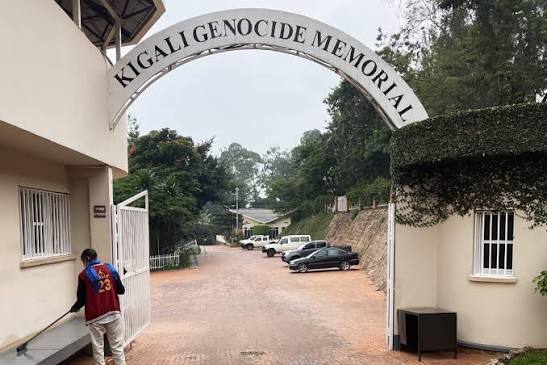
| Kigali Genocide Memorial and memorial sites | A thoughtful introduction to the 1994 genocide against the Tutsi, in which between 800,000 and more than one million people were killed | A day in Kigali before or after the parks |
| Community and village walks | A guided walk between terraces near Musanze or Karongi, meeting farmers and learning how the hills are worked | A gorilla trek or Lake Kivu stay |
| Introduce dance and drumming. | Traditional performances by dancers and drummers, often arranged by lodges or cultural centers | An evening at a lodge near Volcanoes |
| Coffee and tea tours | A visit to a washing station or plantation to follow the crop from hill to cup | The Congo Nile Trail or a Lake Kivu stay |
| Craft and art visits | Basketry, imigongo art and paintings in cooperatives and Kigali galleries | A free afternoon in Kigali |
| Museums in Nyanza and Huye | Pre-colonial royal history and traditional life | The drive between Kigali and Nyungwe |
Prices, Permits and Booking in February
February prices are close to standard. The gorilla permit is US$1,500, and lodge rates are moderate, with the deepest low-season savings arriving from March. Lodges near Volcanoes range from about US$250 to more than US$3,500 per person per night in one 2026 guide, and two nights near the park are quoted at about US$400 to US$700 at the lower end and US$1,000 to US$2,400 at the higher end in another.
Some sources describe a low-season discount from November to May that reduces the permit to US$1,050 when combined with three days and two nights in Akagera or Nyungwe, while another says there is no low-season discount at all.
Treat any February discount as unconfirmed, and ask your operator for the current Rwanda Development Board position in writing before you rely on it.
A Seven-Day February Itinerary
This plan combines the primate parks, a lake and several cultural experiences in a week. If you prefer to avoid long drives, drop Nyungwe and spend more time at Lake Kivu.
| Day | Plan |
| 1 | Arrive in Kigali, visit the Genocide Memorial and a craft cooperative |
| 2 | Drive to Musanze, with an afternoon village walk and an Intore dance evening. |
| 3 | Gorilla trek in Volcanoes National Park |
| 4 | Golden monkey tracking or the Bisoke crater hike, then drive to Lake Kivu. |
| 5 | Boat trip to Napoleon Island, with a coffee tour if time allows |
| 6 | Drive to Nyungwe for the evening, or return to Kigali. |
| 7 | Chimpanzee tracking and canopy walk, or departure from Kigali |
Valentine’s Week and Romantic Trips
February suits couples. The weather is warm, the volcanoes are often clear in the mornings and lodges near the volcanoes offer fireside rooms, spa services and private dining. A gorilla trek is a memorable shared experience, and a sunset boat trip on Lake Kivu adds a quiet ending. Valentine’s week can bring a small bump in demand at upmarket lodges, so book early if you want a specific property.
Who February Suits, and Who Might Prefer Another Month?
February suits travellers who want dry trekking, a mix of wildlife and cultural experiences, couples and anyone who wants to avoid the July and August peak. It is a good choice for first-time visitors who want predictability and for repeat visitors who want to add cultural depth to a wildlife trip.
It is a weaker choice for travelers who must have guaranteed dry weather in the last week, for those who want the deepest discounts and for anyone who dislikes cloud and drizzle. If you want rain-free certainty, choose June to September, and if you want savings, consider April, May or November.
What to Pack for February
- A waterproof jacket and trousers, since showers become more likely late in the month.
- Layers for cool mornings on the volcano slopes, with a warm fleece and gloves.
- Waterproof hiking boots, gaiters and long trousers for treks.
- Lightweight neutral clothing for Akagera, with a hat and sunscreen.
- Binoculars, a camera and a rain cover for the highlands.
- A reusable bag, since single-use plastic bags are banned.
Getting There and Getting Around
Kigali International Airport is the main entry point, with a visa on arrival available to all nationalities. A single-entry tourist visa is quoted at US$50 for 30 days and the East Africa Tourist Visa at US$100. Kigali to Musanze is about two to three hours by road, and to Lake Kivu, three to four. Intercity buses run from Nyabugogo station, and most visitors use a private vehicle and driver guide for the parks.
Trade-Offs to Weigh
- Rain returns late in the month, so the last week may be wetter than the first.
- Permit prices are at standard levels, and discounts are not confirmed.
- Cultural tours depend on respectful behavior and clear arrangements.
- Long road transfers between parks need rest days.
- Clouds can reduce views of the volcanoes on some mornings.
Visiting Memorials Respectfully
A memorial visit is not a tourist attraction in the usual sense. The Kigali Genocide Memorial at Gisozi is the resting place of about 250,000 victims, and the sites at Nyamata, Murambi and Bisesero, inscribed by UNESCO in 2023 together with Gisozi, mark places where large numbers of people were killed in 1994.
Dress modestly, keep your voice low, follow the staff’s instructions on photography and give yourself time to take in what you see.
Plan the visit so that you are not rushed, and avoid scheduling something lively immediately afterwards. Many visitors find it helps to visit early in the trip so that they have context for the rest of their journey. Let your hosts guide the conversation, and listen more than you speak.
Preparing Your Body for the Trek
A gorilla trek can be gentle or hard, depending on where the family has moved. A few weeks of preparation helps: walk on hills with a loaded daypack, practise on uneven ground and break in your boots. Strengthen your legs with squats and step-ups, and drink plenty of water the day before.
On the trek, set a steady pace, use a walking stick for balance on slopes and accept help from porters and guides. Tell the guides at the briefing about any health issues so that they can match you to a suitable group. The effort is part of what makes the hour with the gorillas so memorable.
Frequently Asked Questions
Is February a good time to visit Rwanda?
Yes. It is the end of the short dry season, with good trekking conditions early in the month and rain returning later.
Does it rain in February?
Showers become more likely toward the end of the month as the long rains approach.
Is the gorilla permit cheaper in February?
The standard price is US$1,500, and discounts reported for other months are not confirmed for February.
What cultural tours can I do?
Memorial visits, village walks, Intore dance, coffee tours, craft visits and museums.
How many days do I need?
A week covers gorillas, Lake Kivu and several cultural experiences, with Nyungwe adding two or three days.