Rwanda Safari in May
Rwanda Safari in May : May is the last month of Rwanda’s long rains, and it is the month when the weather starts to turn. The first weeks can still be wet, with muddy trails and cloudy peaks, but by the end of the month the rains ease, skies clear more often and the dry season approaches.
Meanwhile the countryside is at its greenest, trekkers are few and lodge prices are among the lowest of the year. For prepared, flexible travelers, May is a very good time to see gorillas and other wildlife.
This guide is built around practical wildlife tips. It explains the weather and how it changes through the month, then focuses on gorilla trekking: how to prepare physically, what to wear and carry, how porters and trackers help, the rules that protect the animals and what the hour with a gorilla family is really like.
It covers golden monkeys, Nyungwe and Akagera in the green season, costs and possible discounts, a seven-day itinerary and who May suits. Where sources disagree, particularly on permit discounts, the guide says so.
May at a Glance
One climate guide says May continues with rainfall but fewer visitors on the ground, and that June begins the long dry season with ideal trekking conditions returning. That summary fits the month well. May is a transition, and the last week often feels closer to June than to April.
| Factor | May in Rwanda |
| Season | Second half of the long rains, easing toward the dry season |
| Weather | Still wet in the first half, with cloud and mist, easing by the end of the month |
| Crowds | Low, with fewer trekkers on the trails |
| Prices | Lodge rates at or near their lowest, and the gorilla permit at US$1,500 with discounts not confirmed |
| Wildlife | Gorillas, golden monkeys, chimps and Akagera game, with lush habitat |
| Best for | Prepared, flexible travellers who want quiet trails and value |
Weather in May
The long rains run from about March to May, and by May they are past their peak. Showers are still frequent in the first half of the month, often arriving in the afternoon, and the highlands around Volcanoes National Park and Nyungwe can be misty and cool. In the second half, clear spells grow longer, and by late May the dry season is close.
In practice, May behaves like a mix of April and June. If you can choose your dates, the last ten days are generally more comfortable than the first. Climate records from 1981 to 2017 show that the March-to-May season has had a decreasing trend in total rainfall, particularly in the south-west, though individual seasons vary, so check forecasts before you travel.
Gorilla Trekking Tips: Before You Go
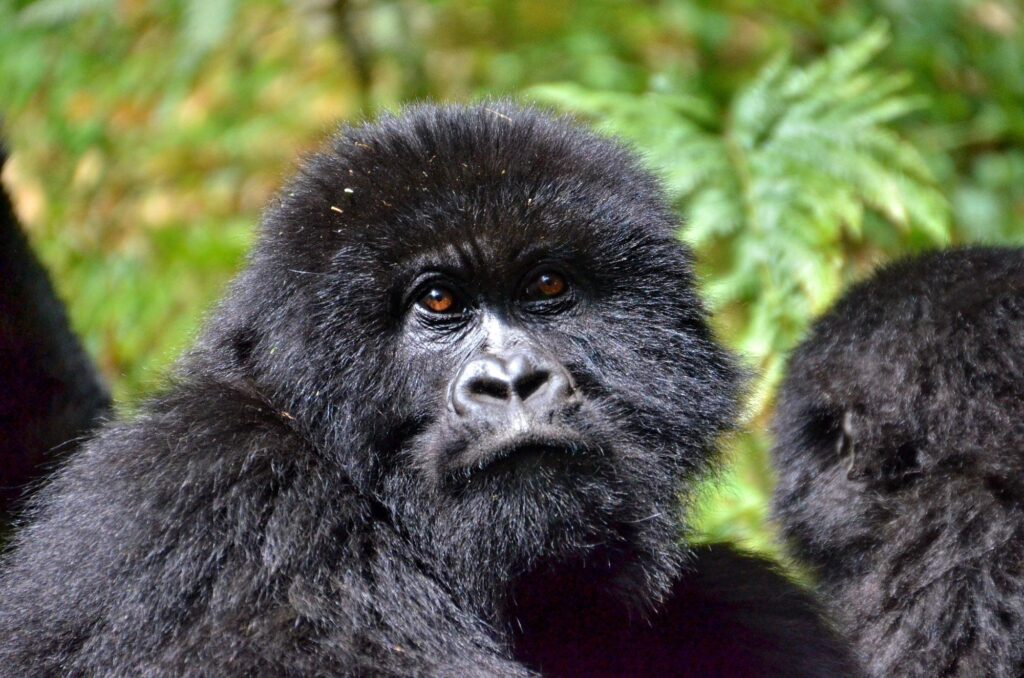
Gorilla trekking is available all year in Volcanoes National Park, and the permit costs US$1,500 per person. After a briefing at park headquarters in Kinigi, groups of up to eight visitors are assigned to a habituated family and trek with guides and armed rangers. The hike can last from under an hour to several hours, depending on where the family has moved, and you spend one hour with the gorillas.
Fitness matters, particularly in May. Walk on hills with a loaded daypack for a few weeks beforehand, practice on uneven and wet ground and break in your boots. Strengthen your legs with squats and step-ups, and be ready for altitude, since the park lies above 2,000 meters. If you have health concerns, tell your operator when you book so that guides can place you in a suitable group.
What to Wear and Carry on the Trek
Do not use flash photography near the gorillas, and keep lenses and cameras in dry bags between photos. Bring a refillable water bottle, energy snacks and a small first-aid kit with blister protection.
| Item | Why It Matters in May |
| Waterproof hiking boots | Trails are muddy and slippery, and grip prevents falls |
| Gaiters | Keep mud, water and insects out of boots and trousers |
| Waterproof jacket and trousers | Showers are frequent, and the forest is wet even in clear weather |
| Long trousers and long sleeves | Protect against stinging nettles and thorny vegetation |
| Gardening gloves | Protect hands when grabbing branches and steadying yourself |
| A warm layer | Mornings on the volcano slopes are cool |
| Small daypack with a rain cover | Carry water, snacks, camera and spare layers |
| Camera with a fast lens and a rain cover | Forest light is low and conditions are damp |
Porters, Guides and Trackers
A porter, quoted at about US$20 to US$30 in one 2026 breakdown, carries your daypack, helps you over steep or slippery sections and supports a local family. In May, a porter is particularly useful because of the mud. Guides lead the group, explain gorilla behaviour and enforce the rules, and trackers go ahead to locate the family and communicate with the guides.
Tip porters, guides and trackers according to your experience, and ask your operator for guidance on appropriate amounts. Many travellers say that the quality of the guiding and the support of the porter made as much difference to their experience as the weather.
The Rules That Protect the Gorillas
These rules are not formalities. They protect the animals and the visitors, and they are the reason treks have been sustainable. Treat them as part of the experience.
- Groups are limited to eight visitors per gorilla family, with one hour with the animals.
- Keep to the distance your guide specifies, usually several metres, and never touch the gorillas.
- Speak quietly, avoid sudden movements and do not point or stare directly at a silverback.
- Do not visit if you are ill, since gorillas are vulnerable to human respiratory infections.
- If you need to cough or sneeze, turn away and cover your face.
- Do not eat or drink near the gorillas, and take all waste out of the park.
- Follow the guide’s instructions at all times, particularly if a gorilla approaches.
The Hour With the Gorillas
When the trackers locate the family, you leave your walking sticks and extra gear and walk the last stretch with the guides. A family may include a silverback, adult females, juveniles and infants, and you may see feeding, grooming, play and rest. Behaviour varies, and some hours are quiet, with others full of movement.
The hour passes quickly. Guides will tell you when to move for better views and when to step back. Take photographs, but put the camera down for a few minutes to simply watch. Many visitors say that the experience is both calming and emotional, and that the memory lasts far longer than the mud.
Golden Monkeys, Nyungwe and Akagera in May
Golden monkey tracking, quoted at about US$100, is a gentler alternative or add-on, with playful monkeys among bamboo forest. Hikes to the crater lake on Mount Bisoke and the grave of Dian Fossey, both quoted at about US$75, are possible with good gear, though clouds may hide the views.
Nyungwe is atmospheric in May, with misty forest and active primates. Chimpanzee permits are quoted at US$90 in one source and US$150 in another, and the canopy walk at about US$60. Akagera is lush and quiet, with boat trips on Lake Ihema and game drives that may require more searching because animals disperse when water is plentiful. Entry is quoted at about US$50 per person per day in one source.
Costs and Possible Discounts
The permit is the dominant cost at US$1,500. If a discount applies to your dates, the reported rate is US$1,050, a saving of US$450, but the reports are inconsistent and some are old, so confirm with the Rwanda Development Board or your operator before you rely on it. Lodge rates in May are among the lowest of the year, with some lodges near Volcanoes quoted from about US$250 and others rising above US$3,500 per person per night in a 2026 guide.
Ask for itemised quotes, and compare packages that include lodging, transfers and activities with the cost of arranging each piece separately.
A Seven-Day May Itinerary
To add Akagera, extend by two or three days and start the trip there. To keep the pace gentle, drop Nyungwe and spend a second night at Lake Kivu.
| Day | Plan |
| 1 | Arrive in Kigali, visit the Genocide Memorial and rest |
| 2 | Drive to Musanze for a village walk and an early night |
| 3 | Gorilla trek, with a porter and a rest afternoon |
| 4 | Golden monkey tracking, then drive to Lake Kivu |
| 5 | Boat trip and a rest day by the lake |
| 6 | Drive toward Nyungwe for chimps and the canopy walk |
| 7 | Return to Kigali, with a spare half day for weather |
Who May Suits, and Who Might Prefer Another Month
May suits prepared, flexible travellers who want quiet trails, green scenery and lower costs, birders and repeat visitors who want to see the green season. It is a good choice for those who can handle mud and who have a spare day in the schedule.
It is a weaker choice for travellers who want guaranteed dry trails, for those with mobility concerns, for visitors who expect clear volcano views every day and for anyone with a tight schedule. If those apply, consider June to September or December to February.
What to Pack for May
- A waterproof jacket and trousers, quick-dry clothing and spare socks.
- Waterproof hiking boots, gaiters, gloves and a walking stick.
- Warm layers for cool mornings in the highlands.
- A dry bag, camera rain cover and silica packs.
- Insect repellent, sunscreen and a hat for clear spells.
- A reusable bag, since single-use plastic bags are banned.
Getting There and Getting Around
Kigali International Airport is the main entry point, and a visa on arrival is available to all nationalities, with a single-entry tourist visa quoted at US$50 for 30 days. Kigali to Musanze is about two to three hours by road, and intercity buses serve the main towns from Nyabugogo. In May, roads can be slow after rain, so allow extra time and consider a private driver for the parks.
A Day-Before Checklist for Your Trek
A calm evening before the trek makes the morning easier. In May, when mud and cloud are likely, a little preparation turns a stressful start into a smooth one, and you arrive at the trailhead ready to enjoy the hike.
- Confirm your permit date, family assignment and briefing time with your operator or lodge.
- Pack your daypack the night before: water, snacks, rain cover, gloves, camera and a spare layer.
- Check boots and gaiters, and lay out long trousers and a waterproof jacket.
- Eat a good dinner, drink plenty of water and avoid heavy alcohol.
- Arrange a porter in advance, since the best ones are booked early at the park headquarters.
- Set an early alarm, allow time for breakfast and aim to reach Kinigi before the briefing.
Frequently Asked Questions
Is May a good time to visit Rwanda?
It suits prepared, flexible travellers who want quiet trails and low prices, though it is wet early in the month.
Can I trek gorillas in May?
Yes. Trekking runs all year, though trails are muddy and slower.
How much is a porter?
About US$20 to US$30 in one 2026 breakdown, and tips are customary.
How long do I spend with the gorillas?
One hour, with groups limited to eight visitors per family.
Is the permit cheaper in May?
The standard price is US$1,500. A reduced rate is reported by some sources but denied by one, so confirm before booking.