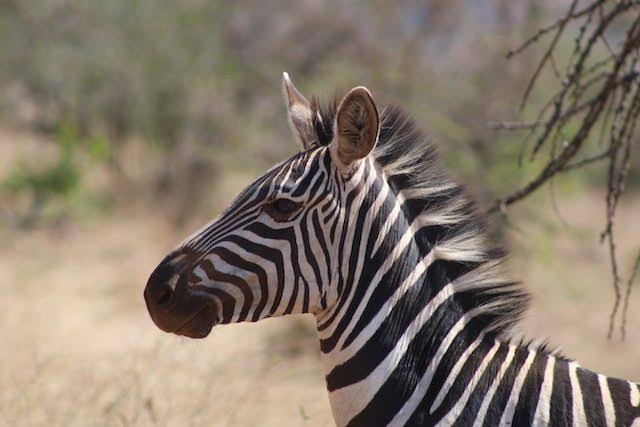
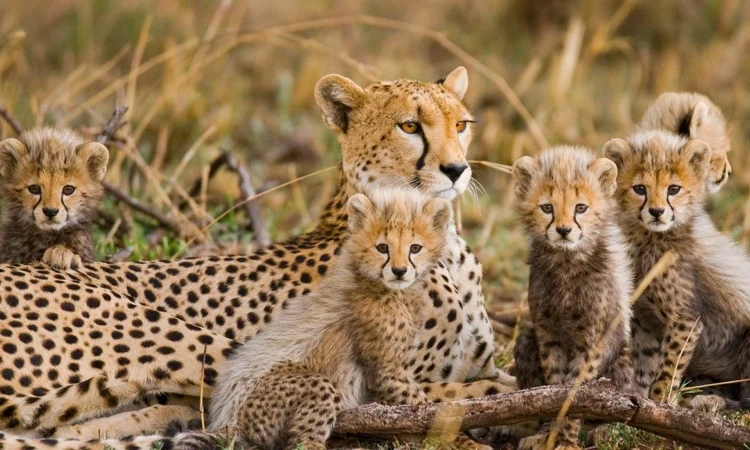
Where Rwanda does not compete is sheer wildlife density or the drama of East Africa’s most famous savannah reserves. Akagera’s Big Five recovery is genuinely compelling, but its predator density does not yet match the Maasai Mara or Serengeti, both considerably larger, longer-established ecosystems. Travellers whose central priority is the wildebeest migration or maximum predator sightings are usually better served starting in Kenya or Tanzania; those prioritising gorilla trekking efficiency, primate diversity, and a well-organised, easy-to-navigate country tend to find Rwanda delivers precisely what it promises.
We are candid that Rwanda rewards travellers willing to allocate at least seven days to see it properly, since gorilla trekking, chimpanzee tracking at Nyungwe, and Big Five game viewing at Akagera each occupy genuinely different corners of the country. A rushed three or four day gorilla-only trip is entirely workable, but it sees a fraction of what Rwanda actually offers.
What Makes Rwanda Worth the Trip
The Most Efficient Gorilla Trekking in Africa
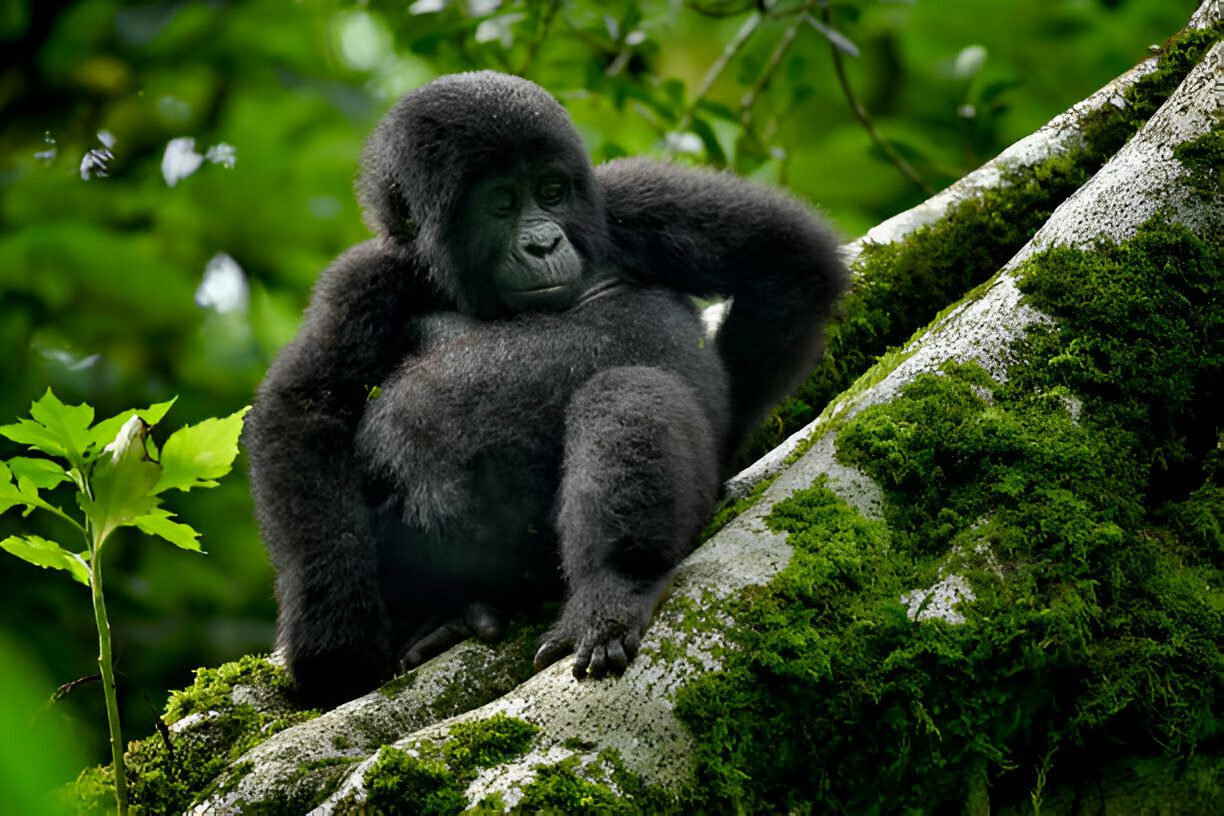
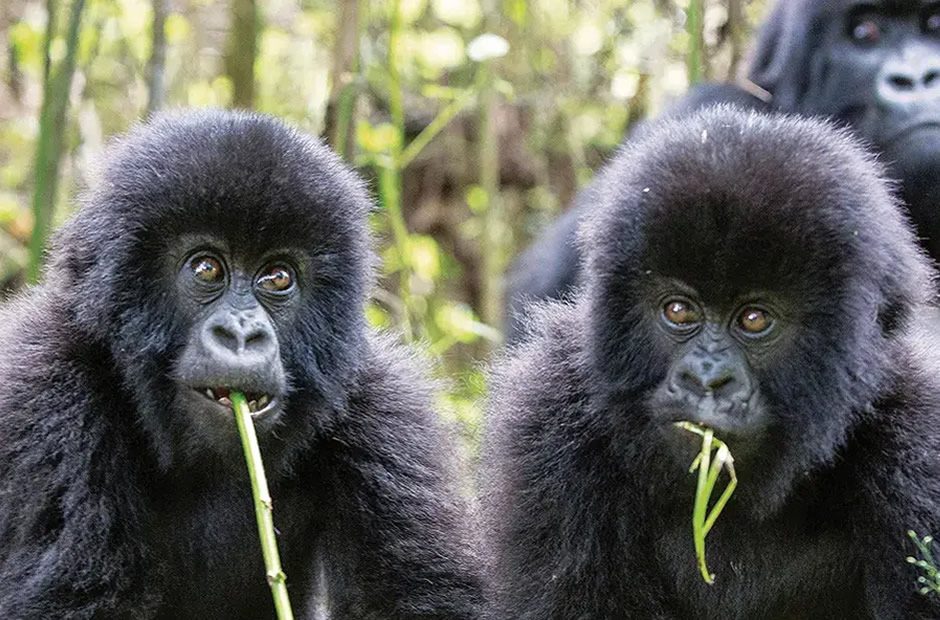
Volcanoes National Park’s short transfer from Kigali, combined with Rwanda’s well-organised permit and trekking infrastructure, means visitors can land one day and be trekking gorillas the next, a genuine logistical advantage over Uganda’s considerably longer transfers to Bwindi or the more complex logistics of trekking in the Democratic Republic of Congo.
A Genuinely Compelling Conservation Story
Akagera’s recovery from a poached-out, rhino-free landscape to a fully restored Big Five park within the past decade is one of the more remarkable conservation turnarounds anywhere in Africa, and one that continues to unfold, with a further seventy white rhinos relocated to the park in May 2026 alone.
One of Africa’s Oldest Rainforests
Nyungwe Forest National Park protects a montane rainforest ecosystem believed to have survived largely intact through the continent’s ice ages, holding thirteen primate species, over three hundred bird species, and Rwanda’s only canopy walkway.
A Country Genuinely Easy to Move Around
Rwanda’s road network is among the best maintained in East Africa, and the country’s small size, roughly 26,000 square kilometres, means transfers between its major parks, while real, rarely exceed five to six hours, considerably shorter than equivalent distances in Uganda, Kenya, or Tanzania.
Choosing Your Rwanda Circuit
Circuit | Core Stops | Best For |
Gorilla-Focused Short Trip | Kigali, Volcanoes National Park | Travellers with three to five days wanting gorilla trekking with minimal additional commitment. |
Classic Rwanda Circuit | Kigali, Volcanoes National Park, Lake Kivu, Nyungwe | First-time visitors with a week or more wanting gorillas, chimpanzees, and lakeside relaxation. |
Complete Big Five and Primate Circuit | Kigali, Volcanoes National Park, Nyungwe, Akagera | Travellers wanting the full Rwanda experience, and those chasing the low-season gorilla permit discount. |
Off-the-Beaten-Path Extension | Add Gishwati-Mukura | Repeat visitors or those already driving the Lake Kivu shoreline route. |
When to Go
Season | Months | What to Expect |
Long Dry Season | June – September | The most popular trekking and game-viewing months, firmest trails, highest permit and lodge demand. |
Short Dry Spell | December – February | Similarly strong conditions, slightly less crowded than the June–September peak. |
Low Season | November – May | Wetter, muddier conditions, but the only window eligible for the 30% gorilla permit discount with a genuine multi-park itinerary. |
Rwanda’s low-season gorilla permit discount deserves particular attention when planning timing. From November to May, the standard 1,500 US dollar permit drops to 1,050 US dollars for travellers who also spend at least two nights across Akagera and Nyungwe National Parks, a genuine multi-park requirement rather than a token stop. For travellers already planning to see more of the country, this represents meaningful savings alongside quieter trails.
Budgeting for a Rwanda Safari
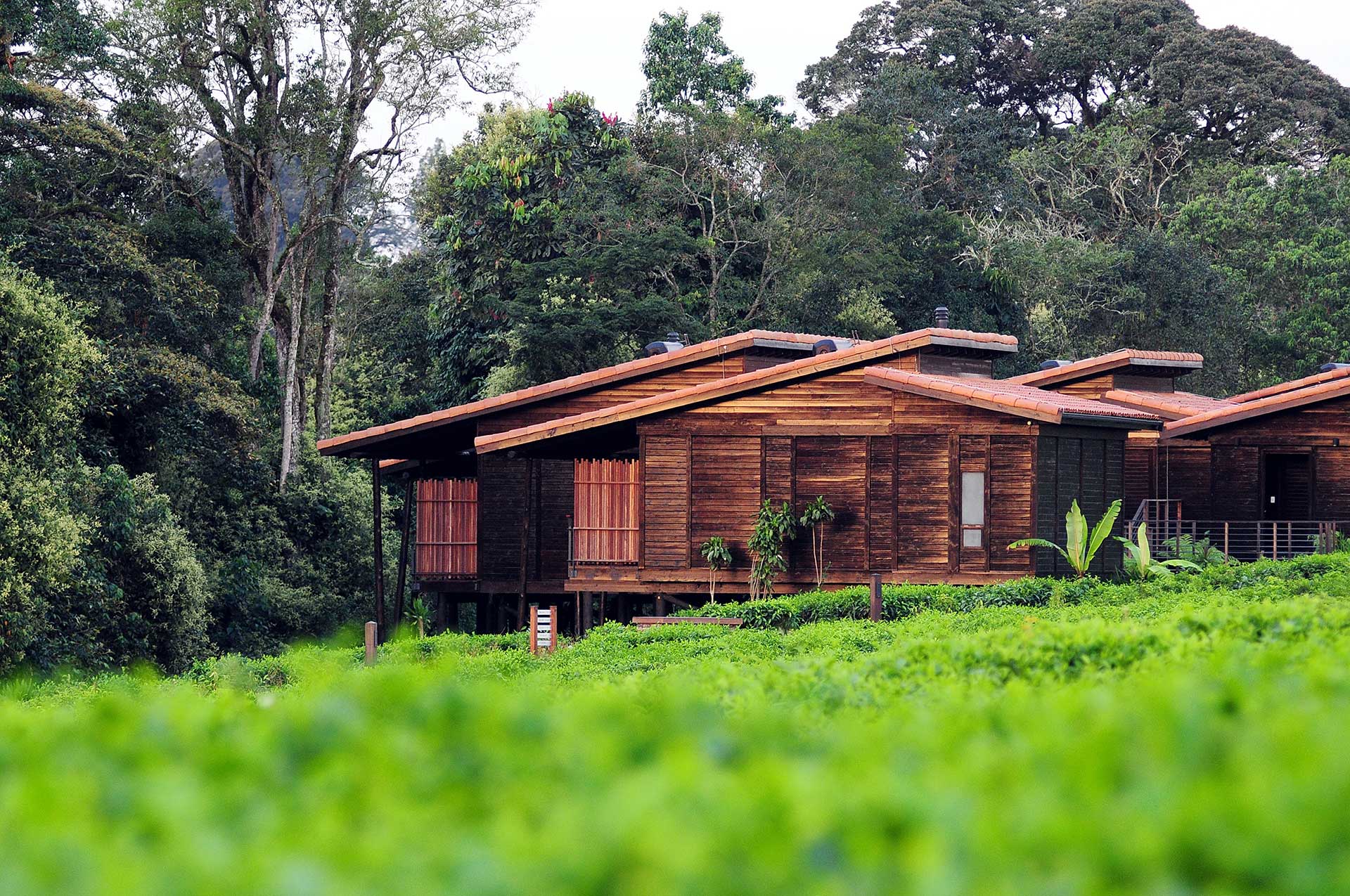
Rwanda’s gorilla permit functions as a fixed, separate cost regardless of accommodation tier chosen for the rest of the trip. Beyond that permit, accommodation and logistics scale across three broad tiers, though Rwanda’s luxury tier in particular includes some of the most architecturally distinctive lodges anywhere in East Africa.
Tier | Approx. Cost (per person/day, excluding permits) | What You Get |
Budget | US$150 – 280 | Simple guesthouses and community lodges, shared or self-arranged transport where feasible. |
Mid-Range | US$300 – 550 | Established lodges with en-suite rooms, private guided game drives, and comfortable transfers. |
Luxury | US$700 – 1,500+ | Architecturally striking lodges and tented camps, private guiding throughout, and highly personalised service. |
The gorilla permit itself, 1,500 US dollars per person, or 1,050 US dollars in the discounted low season, sits entirely outside this daily rate and should be budgeted as its own fixed line item.
Planning Advice
- Book gorilla permits six to twelve months ahead for June–September travel, given fixed daily capacity and consistently high demand.
- Consider the November–May low season specifically if the 30% permit discount matters to your budget, planning genuine multi-night stays at both Akagera and Nyungwe to qualify.
- Allocate at least seven days for a first Rwanda trip that includes gorillas, chimpanzees, and Big Five game viewing, rather than compressing everything into a rushed long weekend.
- Use Rwanda’s excellent road network to your advantage, since transfers between parks, while real, are considerably shorter than equivalent distances elsewhere in East Africa.
- Treat gorilla permits, park entry fees, and accommodation as separate line items when budgeting, since Rwanda’s cost structure does not bundle them into a single all-inclusive rate.
Who Rwanda Suits Best
Traveller Type | Recommendation |
First-time gorilla trekker prioritising convenience | Excellent fit; Rwanda’s short transfers and organised infrastructure are difficult to match. |
Traveller prioritising the migration or maximum predator density | Better served starting in Kenya or Tanzania and adding Rwanda for gorillas as an extension. |
Conservation-minded traveller | Outstanding fit given Akagera’s genuinely compelling, ongoing recovery story. |
Honeymoon or luxury-focused traveller | Ideal, given Rwanda’s exceptional architecturally distinctive luxury lodges. |
Budget-conscious traveller | Workable, particularly in the low season with a genuine multi-park itinerary qualifying for the permit discount. |
Traveller wanting a compact, easy-to-navigate country | Excellent fit; Rwanda’s small size and strong roads make multi-park circuits genuinely manageable. |
Kigali as a Starting and Ending Point
Nearly every Rwanda itinerary begins and ends in Kigali, and the city itself is worth more than a transit stop. Rwanda’s capital is consistently described as one of the cleanest and most orderly cities in Africa, with a genuinely moving Genocide Memorial, a growing contemporary art and coffee scene, and enough good restaurants to make a full day here a worthwhile addition rather than dead time before or after the parks. We generally recommend building in at least one full day in Kigali, either on arrival to adjust before heading to Volcanoes National Park, or at the end of the trip as a relaxed wind-down.
Getting to Rwanda
Kigali International Airport handles nearly all international arrivals and sits roughly two and a half to three hours from Volcanoes National Park by road, among the shortest airport-to-gorilla-trekking transfers anywhere in the region. Direct flights connect Kigali to major hubs across Africa, the Middle East, and Europe, with RwandAir operating an increasingly wide network of direct connections. Most nationalities can obtain a Rwandan visa on arrival or through the country’s straightforward online e-visa system, generally a more streamlined process than several neighbouring countries require.
A yellow fever vaccination certificate is generally required for entry, particularly for travellers arriving from or transiting through countries with risk of transmission, and standard malaria precautions are worth discussing with a travel health provider ahead of departure, since Rwanda’s lower-altitude regions, including Akagera, carry genuine malaria risk even though the country’s higher-altitude areas around Volcanoes National Park carry considerably less.
Frequently Asked Questions
How many days do I need for a Rwanda safari?
A minimum of three to five days allows a focused gorilla trekking trip. A week to ten days allows a comfortable combination of gorillas, chimpanzee tracking at Nyungwe, and Big Five game viewing at Akagera, without rushing between long transfers.
Is Rwanda better than Uganda for gorilla trekking?
It depends on priority. Rwanda offers shorter transfers and generally gentler terrain at a meaningfully higher permit cost. Uganda offers considerably lower fees and greater sector variety across Bwindi’s four trekking regions. Neither is objectively better; they suit different priorities.
How does the low-season gorilla permit discount work?
From November to May, the standard 1,500 US dollar permit drops to 1,050 US dollars for travellers who also spend at least two nights across both Akagera and Nyungwe National Parks, a genuine multi-park requirement verified by Rwandan authorities rather than a token stop at either park.
Do I need to book gorilla permits far in advance?
Yes, particularly for June to September travel, when six to twelve months’ advance booking is standard given fixed daily permit capacity across Volcanoes National Park’s habituated families.
Is Rwanda safe for travellers?
Rwanda is consistently ranked among Africa’s safest and cleanest travel destinations, with a mature, well-established tourism infrastructure across its main circuit. As with any international trip, standard travel precautions and current guidance from your government’s travel advisory are worth checking before departure.
Can I combine Rwanda with Uganda on the same trip?
Yes, this is a common and workable combination, particularly for travellers wanting to compare or combine gorilla trekking experiences across both countries, given the relatively straightforward border crossing between southwestern Uganda and northern Rwanda.
Is Gishwati-Mukura worth adding to a Rwanda itinerary?
For most first-time visitors, Volcanoes National Park, Nyungwe, and Akagera deliver more value per day. Gishwati-Mukura suits travellers with extra time, a specific conservation interest, or those already driving the Lake Kivu shoreline route, given its position roughly midway along that road.