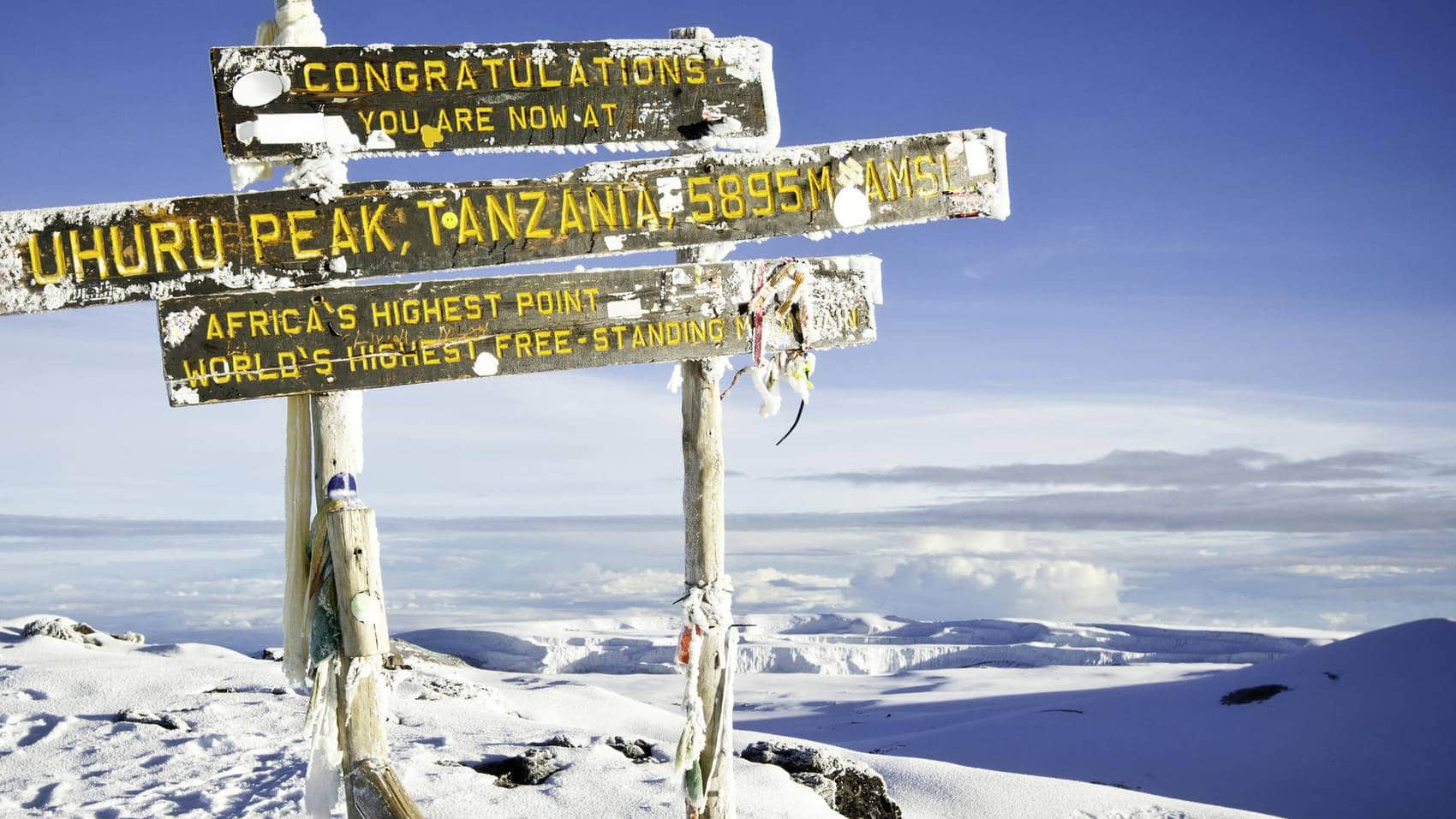
Mount Kilimanjaro National Park
Mount Kilimanjaro National Park Every client considering Mount Kilimanjaro National Park eventually asks some version of the same question: do
Tanzania National Parks
Tanzania’s protected landscape splits into four genuinely distinct governance categories, and knowing which category a given destination falls into affects everything from entry fees to permitted activities. National parks, TANAPA’s core mandate since the authority’s founding in 1959 with Serengeti as its first and only park, are managed under the National Parks Ordinance with standardised fee tiers and consistent regulations across the network. Game reserves, a separate category covering vast additional territory, fall under the Tanzania Wildlife Authority rather than TANAPA, and historically permitted regulated hunting in a way national parks never have, though the country’s largest former game reserve has increasingly split between a photographic-tourism national park section and a remaining hunting reserve under this older designation. Conservation areas form a third category, of which one specific, globally famous example operates under multiple land-use principles allowing pastoralist communities to continue traditional life within its boundaries alongside wildlife protection, a genuinely different model from a conventional national park’s exclusion of human settlement. Wildlife management areas make up the fourth category, community-run initiatives, concentrated particularly around the northern Serengeti ecosystem, where locally elected committees manage natural resource use in partnership with TANAPA and other conservation bodies, an approach that channels tourism revenue more directly toward the communities living alongside the wildlife.
Mount Kilimanjaro National Park Every client considering Mount Kilimanjaro National Park eventually asks some version of the same question: do
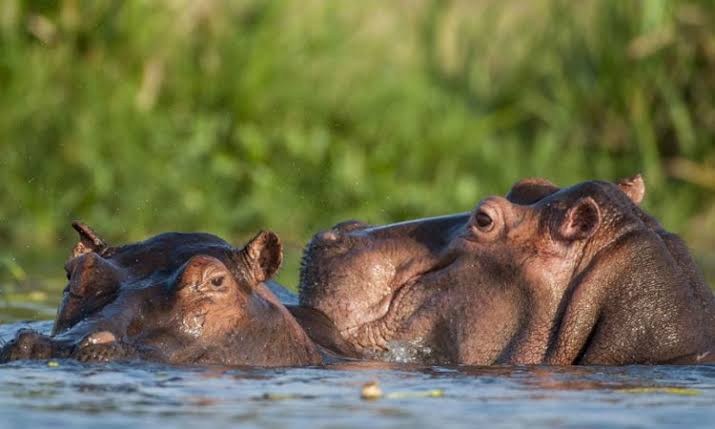
Mikumi National Park What makes Mikumi national park worth genuine consideration, rather than a fallback for travellers unable to reach

Lake Manyara National Park At roughly 330 square kilometres, Lake Manyara national park is small enough to fully explore in
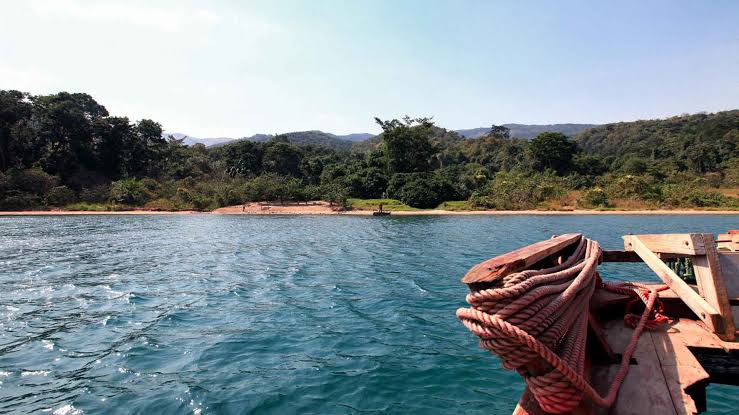
Gombe Stream National Park At just 52 square kilometres, Gombe Stream national park is Tanzania’s smallest national park, and it
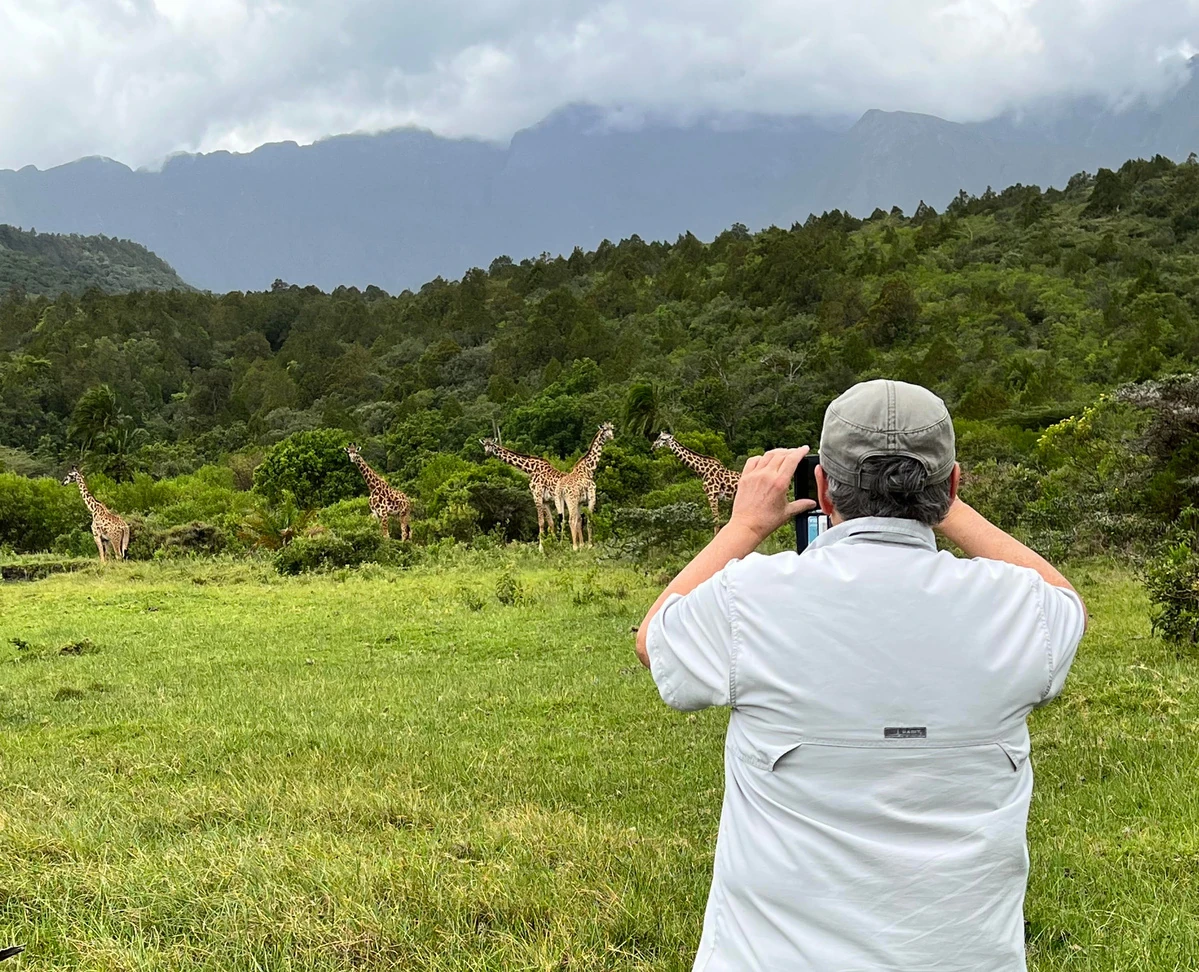
Arusha National Park Arusha National Park sits close enough to Arusha town, roughly thirty minutes by road, that it gets
Why Tanzania’s Parks Get Grouped Into Circuits
Tanzania’s sheer geographic scale, considerably larger than Kenya, with its major parks separated by genuine distance rather than a few hours’ drive, means the safari industry has long organised the country’s destinations into three broad circuits rather than treating them as a single, undifferentiated list. This isn’t merely a marketing convenience; the circuits reflect real differences in infrastructure, accessibility, and the kind of trip each supports, and understanding which circuit fits your priorities is a more useful starting point than researching individual parks in isolation.
The northern circuit holds Tanzania’s most internationally famous destinations and its most developed tourism infrastructure, making it the default starting point for most first-time visitors. The southern circuit offers considerably lower visitor density and a genuinely different, more remote character, generally requiring a domestic flight rather than a straightforward road transfer. The western circuit is the most remote of the three by a wide margin, built around Lake Tanganyika’s chimpanzee trekking sites and reachable only by flight and boat, a genuine detour rather than an extension of either of the other two circuits.
The Northern Circuit
This is the Tanzania most safari marketing depicts: the country’s single most famous ecosystem, home to the annual wildebeest migration, alongside a compact volcanic caldera offering some of the most concentrated Big Five viewing anywhere on the continent, and several smaller, genuinely complementary parks within a few hours’ drive of Arusha, each offering a distinct landscape, dense elephant country, a groundwater forest and soda lake, a convenient day-trip park doubling as a Kilimanjaro-climb staging point. Africa’s highest peak itself anchors this same region, drawing climbers as much as wildlife-focused safari travellers.
The northern circuit’s advantage is genuine efficiency: well-developed roads, a dense concentration of accommodation across every budget tier, and multiple parks reachable within a single, well-sequenced loop from Arusha. The trade-off is crowding, particularly during the June-through-October peak season, when vehicle density at popular sightings can be genuinely noticeable compared with Tanzania’s less-visited circuits.
The Southern Circuit
South-central Tanzania holds the country’s largest protected wilderness areas by a considerable margin, a river-based ecosystem so vast it ranks among the largest national parks on the entire continent, and a second, drier park where East African savanna species overlap with wildlife more typically associated with southern Africa. Both offer a species mix and a sense of genuine remoteness that the northern circuit’s more compact, more heavily visited parks generally can’t match, alongside considerably lower vehicle density even during peak season.
A more accessible southern option sits much closer to Dar es Salaam, reachable by road rather than requiring a flight, making it a genuinely practical choice for business travellers or those building an itinerary around the coast rather than a dedicated northern safari. A forested mountain park nearby adds a foot-based hiking dimension entirely absent from the vehicle-focused parks elsewhere in this circuit, home to primate species found nowhere else on earth.
The Western Circuit
Tanzania’s most remote parks sit along the shore of Lake Tanganyika, reachable only by flight followed by a boat transfer, since no road network connects them to the rest of the country’s park system. This circuit exists almost entirely around chimpanzee trekking, split between the smaller park where modern primatology’s most famous research began in 1960, and a larger, more mountainous park further south offering a considerably bigger habituated chimpanzee population alongside genuine mountain scenery and a freshwater beach setting.
This circuit demands the most time, cost, and logistical commitment of the three, and it’s rarely a sensible choice for a first Tanzania safari. It rewards travellers with a specific, genuine interest in primate research history or chimpanzee behaviour, or those building a considerably longer, multi-circuit itinerary with two weeks or more to spend.
Comparing Tanzania’s Three Circuits
Circuit | Character | Access | Best Suited To |
Northern circuit | Iconic wildlife, dense tourism infrastructure, the migration ecosystem | Road-accessible from Arusha; most developed network | First-time visitors, migration timing, efficient multi-park loops |
Southern circuit | Vast, remote, genuinely different species mix, lower crowding | Primarily domestic flight; Mikumi is a road-accessible exception | Repeat visitors, those seeking solitude and scale |
Western circuit | Chimpanzee trekking, Lake Tanganyika, extreme remoteness | Flight plus boat only; no road access at all | Dedicated primate enthusiasts, longer, multi-circuit trips |
Ngorongoro’s Special Status
Worth flagging specifically: Tanzania’s single most visited protected area after the Serengeti itself isn’t technically a national park at all. It’s a conservation area governed by its own separate authority, distinct from TANAPA, permitting Maasai pastoralist communities to live within its boundaries alongside protected wildlife, a genuinely different management model from every national park in the country. This affects practical planning directly, since its fee structure and ticketing system are entirely separate from TANAPA’s, even though the vast majority of itineraries visit it directly alongside Serengeti as part of a single northern circuit route.
When to Visit, Circuit by Circuit
Season | Months | What to Expect |
Long dry season | June – October | Best wildlife concentration across all circuits; peak crowding on the northern circuit specifically |
Short dry season | December – February | Strong conditions, including the southern Serengeti’s calving season within this window |
Long rains | March – May | Lower rates across the board; many southern and western circuit camps close entirely given access difficulty |
Short rains | November | Generally manageable, less disruptive than the long rains |
The southern and western circuits are considerably more seasonal than the northern circuit’s largely year-round accessibility, and it’s genuinely common for camps in these regions to close entirely during the heaviest rains, typically March and April, given how much road and airstrip access deteriorates. Always confirm current seasonal access with your operator before finalising a southern or western circuit itinerary, rather than assuming northern circuit timing rules apply uniformly across the country.
Understanding Tanzania’s Fee Structure
TANAPA operates a tiered fee system reflecting each park’s relative popularity and conservation profile, with the country’s flagship northern circuit destinations commanding the highest rates and smaller, less-visited parks charging considerably less. All TANAPA fees are quoted in US dollars and subject to an additional value-added tax, and cash is no longer accepted at the great majority of entry gates, with card payment now standard practice. Because Ngorongoro sits outside TANAPA’s system entirely, its fees are set and collected independently, a detail worth building into any combined northern circuit budget rather than assuming a single unified pricing structure applies across every park you visit.
Building a Tanzania Itinerary Around This Structure
For a first Tanzania safari, the northern circuit remains the sensible default, offering the country’s most iconic wildlife experiences within an efficient, well-established travel loop. Travellers with more time, or a specific interest in lower visitor density and a genuinely different landscape, are well served adding a southern circuit extension, typically connected by a short domestic flight rather than attempting an overland route between the two regions, which is rarely practical given the distances involved.
The western circuit is best treated as its own dedicated trip, or as a considerable addition to an already generous two-to-three-week itinerary, rather than a casual extension to either of the other two circuits, given the genuine time and cost its remote access demands.
Combining Tanzania with Neighbouring Countries
Tanzania’s northern circuit connects directly to Kenya’s savanna heartland across the shared Serengeti-Mara ecosystem, making a combined Tanzania-Kenya migration-focused itinerary one of the most established multi-country routes in East Africa. Tanzania’s southern and western circuits are less commonly combined with a second country, generally functioning better as standalone extensions within a longer, Tanzania-focused trip.
Frequently Asked Questions
How many national parks does Tanzania have?
The Tanzania National Parks Authority manages 21 national parks, covering roughly 15 percent of the country’s land area, separate from game reserves, conservation areas, and wildlife management areas governed by other authorities.
Is Ngorongoro Crater a national park?
No, it’s a conservation area managed by the Ngorongoro Conservation Area Authority rather than TANAPA, operating under a multiple land-use model that permits Maasai communities to live within its boundaries alongside wildlife.
What’s the difference between Tanzania’s three safari circuits?
The northern circuit holds the country’s most famous, most accessible parks. The southern circuit offers greater remoteness and lower visitor density, generally reached by domestic flight. The western circuit is the most remote, accessible only by flight and boat, and built around chimpanzee trekking.
Should a first-time visitor choose the northern or southern circuit?
The northern circuit is generally the better starting point for first-time visitors, given its more developed infrastructure and shorter, more efficient transfers between parks.
Can I combine the northern and southern circuits in one trip?
Yes, typically connected by a short domestic flight rather than an overland route, though this requires a longer overall trip length, generally two weeks or more, to do both circuits justice.
Why are the southern and western circuits more seasonal than the north?
Road and airstrip access in these regions deteriorates considerably more during the long rains, and many camps in the south and west close entirely during the heaviest rainfall months, a pattern the northern circuit’s more developed infrastructure doesn’t experience to the same degree.
What are wildlife management areas?
Community-run conservation initiatives, particularly concentrated around the northern Serengeti ecosystem, managed by locally elected committees in partnership with TANAPA, designed to channel tourism revenue more directly toward the communities living alongside protected wildlife.