Visit Rwanda in July
Visit Rwanda in July : July is Rwanda in its busiest and most comfortable mode. The long dry season is in full swing, the volcano peaks are at their clearest, trails are firm and the summer holidays in Europe and North America bring the year’s largest wave of visitors.
It is also the month in which the details matter most: permits sell out, good lodges fill up and an error at the border or in the booking can be costly. A traveller who understands the entry rules, the structure of a safari package and the timing of the peak season will have a much smoother trip.
This guide is built around entry and planning information. It explains how to enter Rwanda, covering visas, fees, free-entry groups, health requirements and what to expect at the border and the airport.
It then breaks down what safari packages include and cost, how to book in the peak season, how July’s weather affects plans, which holidays fall in the month and what to pack. It flags where sources disagree, particularly on visa fees and exemptions, and where details come from general knowledge.
July at a Glance
Climate guides describe the middle of the long dry season as bringing long dry spells with no rainfall for several days or weeks, and it is the most recommended time to track gorillas in Volcanoes National Park, chimps in Nyungwe and do a safari trip to Akagera. The cost of that comfort is competition for permits and rooms.
| Factor | July in Rwanda |
| Season | Middle of the long dry season, from June to September |
| Weather | Dry, with sunshine and long dry spells, cool mornings and occasional short showers in the highlands |
| Crowds | High, coinciding with summer holidays in Europe and North America |
| Permits | Gorilla permit US$1,500, with high-season dates often excluded from reported discounts |
| Holidays | Independence Day on 1 July and Liberation Day on 4 July |
| Best for | Comfortable trekking and game drives, and travellers who book early |
Entry Requirements: The Essentials
In practice, most visitors enter smoothly. You present a valid passport, pay the visa fee if required and are issued a visa on the spot, or you show an e-visa approval you obtained in advance. Carry printed copies of your accommodation and permit confirmations, since immigration officers can ask for them.
| Item | What to Know |
| Visa on arrival | Available at Kigali International Airport and land borders such as Gatuna from Uganda and Rusumo from Tanzania, with a single-entry tourist visa quoted at US$50 for 30 days |
| Online e-visa | Available in advance through the government’s online platform, quoted at US$50 for single entry and 30 days, with multiple entry options at higher prices |
| East Africa Tourist Visa | US$100, valid for 90 days with multiple entries across Rwanda, Uganda and Kenya |
| Free-entry groups | Several sources say citizens of Commonwealth, African Union and La Francophonie countries receive free 30-day entry |
| Yellow fever | A vaccination certificate is mandatory for travellers arriving from or transiting through countries where the disease is endemic |
| Extensions | Possible through the Directorate General of Immigration and Emigration in Kigali |
Visa Choices: Which One Fits Your Trip?
If you plan to combine gorillas in Rwanda with Uganda or Kenya, the East Africa Tourist Visa usually gives the best value, but check that the entry points and your itinerary match its rules, and apply early if you want it before you arrive.
| Your Trip | Best Option | Why |
| Rwanda only, under 30 days | Single-entry tourist visa, on arrival or online | Simple and quoted at US$50 |
| Rwanda, Uganda and Kenya in one trip | East Africa Tourist Visa | One visa for three countries over 90 days, at US$100 |
| Several entries to Rwanda over three months | Multiple-entry visa where offered | Reported at US$70 for 90 days in one source |
| Commonwealth, African Union or La Francophonie citizens | Check the free-entry rule | Several sources report free 30-day entry, but confirm for your passport |
At the Airport and the Border: What to Expect
At Kigali International Airport, queues move quickly, and the process for visa on arrival is described as quick and efficient. Land borders, such as Gatuna from Uganda, are slower during peak travel times, and buses from Kampala take about eight to ten hours in total, with border formalities on foot. Keep your documents together and be patient.
Rwanda has banned single-use plastic bags since 2008, and visitors may be asked to leave them at the border or airport, so pack reusable bags. Most countries require a passport valid for at least six months, so check yours well before departure. Carry copies of your documents, and keep your yellow fever certificate with your passport if it applies.
Health and Safety Basics
Discuss vaccinations and malaria prevention with a travel clinic well before departure, since advice depends on your itinerary and health. Carry insurance that covers medical care and evacuation, and consider cancellation cover, since gorilla permits are strict. Highland weather is cool and wet, so pack for it, and hydrate and use sun protection at altitude.
Rwanda is widely regarded as well-organised and easy to travel in, but you should check your government’s current travel advice before you go, particularly for the border areas with the Democratic Republic of the Congo. Do not trek with primates if you are ill.
Safari Packages: What They Include
Packages are usually priced per person, and quotes typically bundle lodging, meals, transfers and the permit.
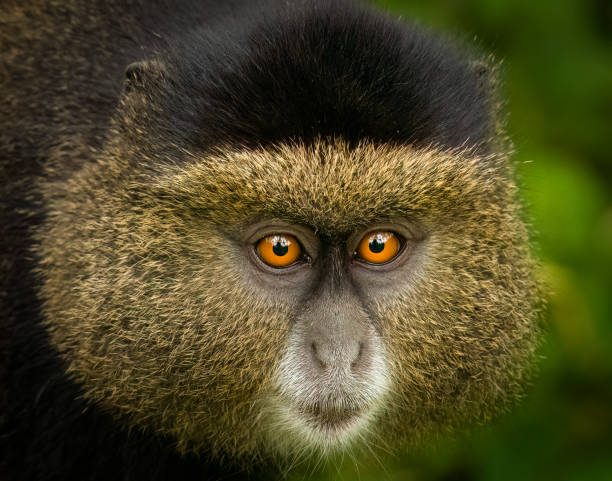
A common 2026 description of a basic package is economy flights, two or three nights at a mid-range lodge near Volcanoes, private transfers, one gorilla permit, golden monkey tracking and one additional activity such as the canopy walk or a volcano hike. Always check what is left out, such as flights, tips, visas and insurance.
| Package Type | Typical Length | Typical Inclusions |
| Focused gorilla trek | 3 to 5 days | Kigali pick-up, two or three nights near Volcanoes, one gorilla permit, private transfers, meals and a guide |
| Gorillas, golden monkeys and a hike | 4 to 6 days | The above plus golden monkey tracking and a volcano or Fossey hike |
| Gorillas and chimpanzees | 6 to 8 days | Volcanoes, Lake Kivu and Nyungwe, with chimp permits and the canopy walk |
| Grand tour | 9 to 12 days | Akagera Big Five, Volcanoes, Lake Kivu and Nyungwe |
What the Cost Components Look Like
To estimate a budget, add the permit, the activities you want, the nights you need and transfers, then add a margin for tips, visas and insurance. The permit and accommodation drive the total, so a mid-range lodge and a single trek can keep costs manageable.
| Component | Approximate Cost |
| Gorilla permit | US$1,500 per person |
| Golden monkey tracking | About US$100 |
| Bisoke or Dian Fossey hike | About US$75 each |
| Chimpanzee tracking, Nyungwe | US$90 to US$150 |
| Nyungwe canopy walk | About US$60 |
| Akagera entry | About US$50 per person per day, plus vehicle fees |
| Two nights near Volcanoes | About US$400 to US$700 at the lower end and US$1,000 to US$2,400 at the higher end in one breakdown |
| Porter | About US$20 to US$30 |
Booking in the Peak Season
July is one of the busiest months, so book early. Secure the gorilla permit first, since each family can host a limited number of visitors per day and peak dates sell out. Then book lodges near Volcanoes, which fill up first, followed by Akagera and Nyungwe, then transfers and flights. Operators generally advise booking several months ahead, and longer for luxury lodges.
Reports of low-season discounts do not usually apply in July, and one source notes that peak seasons from June to October often exclude promotional rates. Assume the standard price, ask for written confirmation and understand the cancellation terms, which for permits are often strict.
Holidays and Events in July
Rwanda celebrates Independence Day on 1 July, marking independence in 1962, and Liberation Day on 4 July, marking the end of the 1994 genocide. Both are public holidays, with official ceremonies and a subdued, reflective tone around Liberation Day. Check for changes to opening hours and events, and be respectful in public spaces.
Commemoration continues through July, since the 100 days of the genocide run from April to July. Visitors should be aware of this context and let their hosts guide them.
A Six-Day July Itinerary
To add Nyungwe, extend by three days. To add Akagera, extend by two or three days and start there. Keep a spare day before an international flight.
| Day | Plan |
| 1 | Arrive in Kigali, clear immigration and visit the Genocide Memorial |
| 2 | Drive to Musanze, with a village walk or cultural visit |
| 3 | Gorilla trek in Volcanoes National Park |
| 4 | Golden monkey tracking, then drive to Lake Kivu |
| 5 | Lake Kivu boat trip and a rest day |
| 6 | Return to Kigali for departure |
What to Pack for July
- A waterproof jacket, since highland showers are possible even in the dry season.
- Layers and a warm fleece for cool mornings and evenings.
- Waterproof hiking boots, long trousers, gloves and a hat.
- Sun protection, since the sun is strong at altitude.
- Printed copies of passports, visas, permits and insurance.
- A reusable bag, since single-use plastic bags are banned.
Getting There and Getting Around
Kigali International Airport is the main entry point, with a visa on arrival for all nationalities. Kigali to Musanze is about two to three hours by road, Lake Kivu about three to four and Nyungwe five or more. Intercity buses from Nyabugogo serve the main towns, and most tours use private vehicles with driver-guides. Book transfers early for peak dates.
Frequently Asked Questions
Do I need a visa for Rwanda?
Most visitors can get a visa on arrival, quoted at US$50 for 30 days, or apply online, and some groups are reported to receive free 30-day entry.
What is the East Africa Tourist Visa?
A US$100 visa valid for 90 days with multiple entries across Rwanda, Uganda and Kenya.
Do I need a yellow fever certificate?
Yes, if you arrive from or transit through countries where yellow fever is endemic.
How far ahead should I book for July?
Several months at least, since permits and lodges fill early, and longer for luxury properties.
Are there discounts in July?
Not usually. One source says peak seasons often exclude promotional rates, so plan on the standard US$1,500 permit.