Rules and Regulations for Chimpanzee Trekking in Uganda
Rules and Regulations for Chimpanzee Trekking set by the Uganda Wildlife Authority and enforced consistently at Kibale, Kyambura Gorge, Budongo Forest, and Semliki, exist because chimpanzees share close to ninety-eight percent of human DNA and remain genuinely vulnerable to human respiratory illness, a vulnerability that has driven real population losses at other primate tourism sites globally when rules were not followed or enforced.
This guide sets out those rules clearly, explains the reasoning behind each one, and covers the practical logistics, permits, age limits, group sizes, that shape how a trekking day actually runs. Understanding this before you arrive makes the briefing at the visitor centre a confirmation of what you already know, rather than a list of new restrictions sprung on you at the last minute, and tends to make the whole day feel considerably less procedural and more like the encounter it is meant to be.
How These Rules Compare to Gorilla Trekking Regulations
Chimpanzee trekking rules mirror gorilla trekking rules closely, since both address the same underlying concern, disease transmission between closely related primate species and humans, but a few differences reflect the practical realities of tracking a faster-moving, more arboreal species.
The minimum viewing distance is broadly similar, but chimpanzee encounters typically involve more repositioning as the group moves through the canopy, meaning rangers actively manage trekker movement throughout the hour rather than the more static positioning common during a gorilla encounter. Group sizes at chimpanzee sites also tend to run slightly larger than Bwindi’s gorilla trekking groups, reflecting the generally lower cost and shorter duration of the activity.
What Happens if Rules Are Not Followed
Ranger guides are trained to intervene immediately if a trekker moves too close, uses flash photography, or otherwise breaches protocol, typically with a direct, calm verbal correction rather than ending the encounter outright for a first infraction.
Repeated or deliberate disregard for these instructions can result in a trekker being asked to step back from the group entirely for the remainder of the viewing period, a rare but real consequence that underscores how seriously these protocols are enforced rather than treated as optional guidance.
Permit Requirements
A valid chimpanzee trekking permit, purchased in advance through the Uganda Wildlife Authority or a licensed operator, is required for every trekker at every site: permits are allocated per community per day, with a fixed number of trekking slots available, and are non-transferable between sites, meaning a Kibale permit cannot be used at Budongo Forest or vice versa. Permits should generally be purchased weeks to months ahead of your intended date, particularly during June to August or December to February, when demand runs highest.
Each permit corresponds to a specific date and site, and trekkers should carry identification matching the name on their permit, since the Uganda Wildlife Authority conducts verification checks before each day’s trek. Refunds and date changes are handled according to each operator’s individual policy layered on top of the Uganda Wildlife Authority’s own rules, so confirming this before booking is worth doing, particularly for travellers with flexible or uncertain schedules.
Age and Health Requirements
Minimum Age
The Uganda Wildlife Authority generally sets a minimum trekking age, commonly around twelve, though this can vary slightly and should be confirmed directly with your operator before including children in a chimpanzee trekking itinerary.
This is applied more flexibly than the stricter minimum age for gorilla trekking, given chimpanzee treks’ generally shorter and less physically demanding nature, but it remains a real requirement rather than a guideline.
Health Screening
Anyone showing symptoms of a contagious illness, a cold, flu, cough, or gastrointestinal illness, is asked not to trek on a given day, since chimpanzees are genuinely susceptible to human respiratory disease and an outbreak within a habituated community can have serious, lasting consequences for the group’s health.
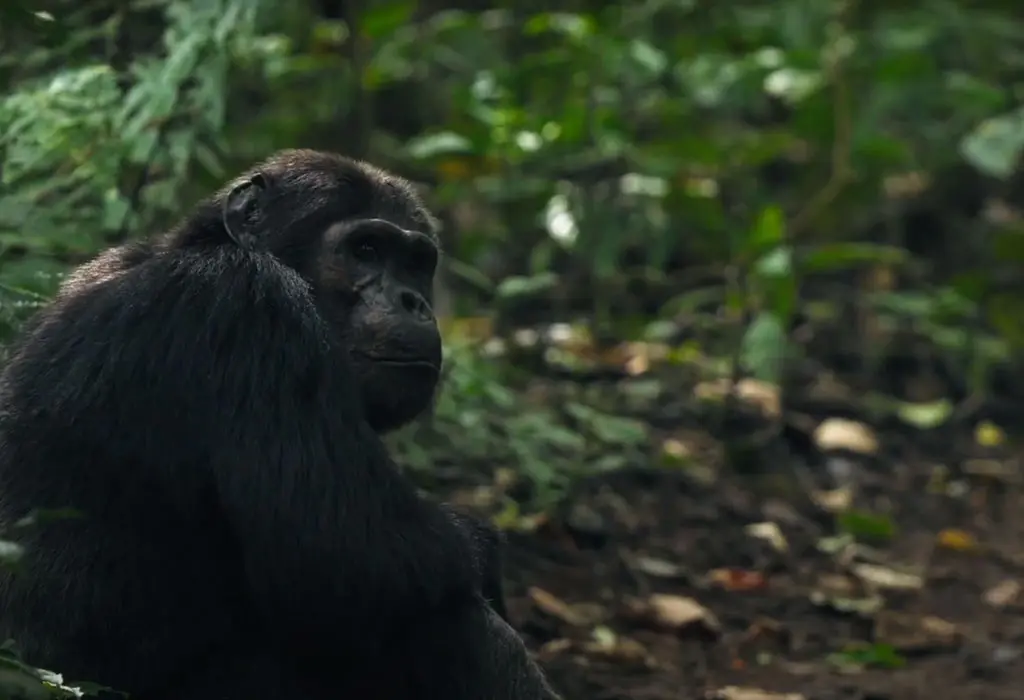
Rangers conduct a basic health check before departure, and trekkers who disclose symptoms honestly are generally offered a rebooking rather than losing their permit entirely, though this varies by operator and should be confirmed in advance.
Rules During the Trek and Encounter
| Rule | Reasoning |
| Maintain a minimum distance of 7–8 metres from the chimpanzees | Reduces risk of disease transmission and avoids startling the group |
| No flash photography | Prevents distress or aggressive reactions from the chimpanzees |
| No eating, drinking, or smoking near the group | Prevents disease transmission and avoids attracting chimpanzees to human food |
| Speak quietly and move calmly | Minimises disturbance to natural chimpanzee behaviour |
| Maximum group size, typically 6–8 trekkers per community | Limits cumulative human exposure and disturbance per sighting |
| One-hour viewing limit once the group is located | Caps cumulative daily human contact per community |
These rules are enforced consistently by ranger guides at every site, and trekkers who disregard them, moving closer for a better photograph, for instance, are asked directly to comply rather than being quietly tolerated. We brief every client on this expectation before their trek specifically so that following the rules feels natural in the moment rather than like an unexpected correction from a ranger.
Group Size and Community Allocation
Each habituated chimpanzee community can typically be visited by only one small group per day, generally capped at six to eight trekkers, a limit set specifically to manage cumulative disturbance and disease exposure risk.
At sites with multiple habituated communities, such as Kibale, permits are allocated to specific communities rather than sold generically, though the day’s actual trek still depends on where trackers locate the assigned group that morning.
Porters, Tipping, and Ranger Etiquette
Hiring a porter, a modest additional cost arranged directly at the trailhead, is worth doing regardless of fitness level, both for practical help carrying bags on longer treks and as a direct way of supporting the local community economically tied to the park’s tourism revenue.
Tipping ranger guides and trackers, while not strictly mandatory, is a well-established practice across all four sites, generally in the range of ten to twenty US dollars per guide, and porters typically receive a similar modest tip reflecting the physical assistance provided.
What to Bring and Wear
- Sturdy, closed walking shoes with good grip, since forest terrain is often uneven and can be slippery after rain.
- Long trousers and sleeves, both for comfort against vegetation and as a simple precaution against biting insects.
- A light rain jacket regardless of season, given the genuinely unpredictable weather in all four trekking regions.
- Gardening-style gloves, useful for pushing through undergrowth on denser sections of trail.
- A valid permit and identification matching the name on that permit, required for verification before departure.
The Habituation Experience: Additional Rules
Kibale’s full-day chimpanzee habituation experience, following a community from dawn nesting sites through a complete day’s activity, carries the same core rules as standard trekking, distance, no flash, quiet movement, but with an extended viewing period rather than the standard one-hour limit.
This extended contact is permitted specifically because habituation researchers have already established a working relationship with the group and follow a more structured, research-informed protocol than a standard tourist trek, and the experience is priced and permitted separately from standard trekking as a result.
Site-Specific Variations Worth Knowing
| Site | Notable Variation |
| Kibale Forest National Park | Offers the standard trek and the full-day habituation experience as separate, distinctly priced permits |
| Kyambura Gorge, Queen Elizabeth NP | Smaller, less extensively habituated community; rules identical but sighting conditions can be more variable |
| Budongo Forest, near Murchison Falls | Newer habituation programme; group size and viewing rules apply identically as the community’s tolerance for tourism develops |
| Semliki National Park | Least habituated of the four sites; standard rules apply, though treks here are often longer and less certain to result in a sighting |
Planning Advice
- Book your permit weeks to months ahead depending on season, and confirm your operator’s rebooking policy in case of illness on the day.
- Disclose any cold, flu, or gastrointestinal symptoms honestly before your trek; this protects the chimpanzees and is not a rule worth working around.
- Pack camera equipment that performs reasonably without flash, since forest light is often low and flash photography is strictly prohibited.
- Confirm minimum age requirements directly with your operator if travelling with children, since this varies slightly and should not be assumed.
- Treat rangers’ in-the-moment corrections, on distance or noise level, as a normal part of the experience rather than a sign anything has gone wrong.
Who Should Pay Closest Attention to These Rules
| Traveller Type | What to Focus On |
| Travellers with young children | Confirm the minimum age policy directly before booking, since this is a firm requirement rather than a guideline. |
| Photographers | Prepare for no-flash conditions and the mandated minimum distance, which shapes achievable shot composition. |
| Travellers with a cold or recent illness | Disclose symptoms honestly rather than risk trekking while contagious; rebooking is generally possible. |
| Groups booking the habituation experience | Expect a longer day and a more research-oriented protocol than standard trekking. |
| First-time trekkers | Attend the briefing closely; the rules are consistently enforced, not offered as optional guidance. |
Frequently Asked Questions
What is the minimum viewing distance for chimpanzee trekking?
Generally seven to eight metres, enforced by ranger guides throughout the encounter to reduce disease transmission risk and avoid disturbing the chimpanzees’ natural behaviour.
Can I use flash photography during chimpanzee trekking?
No. Flash photography is prohibited at every site, since it can startle or distress the chimpanzees. Cameras that perform reasonably in low light without flash are worth prioritising for this activity.
What happens if I am sick on the day of my trek?
You will generally be asked not to trek, since chimpanzees are genuinely susceptible to human respiratory illness. Most operators offer some form of rebooking in this situation, though policies vary and are worth confirming before your trip.
Is there a minimum age for chimpanzee trekking?
Yes, commonly around twelve, though this can vary by site and should be confirmed directly with your operator before including children in your itinerary.
How many people are allowed to trek a single chimpanzee community per day?
Typically six to eight trekkers per community per day, a limit set to manage cumulative disturbance and disease exposure risk across all four of Uganda’s trekking sites, and one that is not extended even during periods of unusually high demand.
Are the rules different for the chimpanzee habituation experience?
The core rules, distance, no flash, quiet movement, remain the same, but the viewing period extends well beyond the standard one-hour limit, following a more structured, research-informed protocol specific to Kibale’s habituation program.