Guided Nature Walks in Uganda
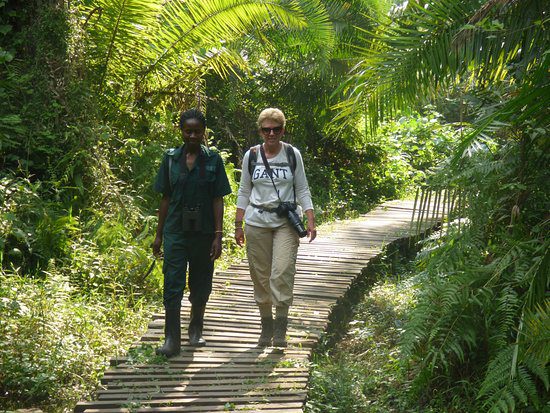
Nature walks tend to get treated as a filler activity on Uganda itineraries, something to do on a spare afternoon between the headline gorilla trek and the next park transfer. That undersells them considerably. Uganda’s guided walking trails, through montane forest, papyrus wetland, volcanic bamboo zones, and lowland rainforest, offer a different way of experiencing wildlife and landscape than a vehicle-based game drive or a primate trek, at a considerably lower cost and physical demand than either.
This guide covers Uganda’s most rewarding guided walking trails across the country’s main parks, what each one delivers, and how to fit a walk or two into an itinerary otherwise built around gorilla trekking and savannah game drives, since walks tend to fill the gaps between those bigger-ticket activities exceptionally well, and often end up among the most fondly remembered parts of a trip precisely because they arrive unplanned.
Why Guided Walks Are Worth the Time
A guided nature walk offers a slower, more detailed engagement with a landscape than a vehicle can provide, at a cost and physical demand considerably lower than a full-day trek: walking through a forest at a ranger’s pace reveals details, tracks, calls, smaller mammals and insects, medicinal plants, that a moving vehicle simply passes by. Most walks run one to three hours, require no special fitness beyond comfortable, moderate walking, and cost a fraction of a gorilla or chimpanzee trekking permit.
We recommend building at least one guided walk into nearly every Uganda itinerary, not as a replacement for the headline activities but as a complement that rounds out the trip with a different pace and perspective. Birders in particular tend to find walks more productive than game drives, since a slower pace and quieter approach genuinely improves sighting and identification rates for smaller, less conspicuous species.
Uganda’s Best Guided Nature Walks by Region
Bwindi Impenetrable National Park
Beyond gorilla trekking itself, Bwindi offers dedicated nature walks through its montane forest, including routes to waterfalls near Buhoma and birding-focused walks around Ruhija, one of the park’s strongest areas for forest species. These walks work well on a rest day between gorilla trekking and departure or for travelers in a group where not everyone has booked a trekking permit.
Semliki National Park
Semliki’s forest trails, the Sempaya nature trail, the longer Kirumia Trail, and the Red Monkey Trail, are built entirely around walking, since the park’s dense rainforest terrain does not support vehicle-based game drives at all. These trails offer some of Uganda’s strongest lowland rainforest birding and a genuine chance at De Brazza’s monkey, found nowhere else in the country.
Bigodi Wetland Sanctuary, near Kibale
This community-run sanctuary just outside Kibale National Park offers a guided wetland walk without requiring a park permit, turning up strong birding, including hornbills and the elusive great blue turaco, alongside several primate species. It is a popular, low-cost half-day addition for travelers with spare time around their Kibale chimpanzee trek.
Mount Elgon and Sipi Falls
The Kapkwai Forest Exploration Centre offers three short day trails, three to seven kilometres, suited to travellers not attempting the full multi-day summit trek, alongside the popular walking circuit connecting Sipi’s three waterfalls. Both options deliver strong scenery and moderate activity without the commitment of Mount Elgon’s longer summit routes.
Rwenzori Foothills
Shorter, non-technical walks through the Rwenzori’s lower forest zones offer a genuine taste of the range’s dramatic vegetation, giant heather, old man’s beard lichen, without requiring the multi-day commitment or technical demands of a summit attempt, making this a good option for travellers curious about the mountains but not planning a full trek.
Queen Elizabeth National Park
Beyond its game drives and boat cruise, Queen Elizabeth national park offers walks through its crater lake region and short guided walks near Ishasha, a gentler complement to the park’s vehicle-based activities and a good option for travellers wanting to stretch their legs between game drives.
Mgahinga Gorilla National Park
The Batwa Trail, a guided cultural and nature walk led in partnership with the indigenous Batwa community, offers insight into traditional forest life alongside genuine wildlife and birding interest, a worthwhile addition for travellers already at Mgahinga for golden monkey trekking or a volcano hike.
Comparing Uganda’s Walking Trails
| Location | Trail Length | Best For |
| Semliki National Park | 1 – 14 km depending on route | Serious birders and lowland rainforest specialists |
| Bigodi Wetland Sanctuary | ~4 km, half-day | Birding and primates without a park permit requirement |
| Kapkwai Forest Exploration Centre | 3 – 7 km | Travellers wanting Mount Elgon’s flora without the full summit trek |
| Bwindi nature walks | Variable, 1 – 3 hours | Rest-day activity between gorilla trekking and departure |
| Batwa Trail, Mgahinga | Half-day | Cultural insight alongside nature walking |
Seasonal Considerations for Walking Trails
Unlike game drives, which depend heavily on dry-season wildlife concentration, guided nature walks remain genuinely rewarding throughout the year, since the forest and wetland habitats they explore do not rely on the same seasonal water-driven wildlife movement as open savannah. The dry season windows offer firmer, more comfortable underfoot conditions, particularly on longer trails like Semliki’s Kirumia Trail, while the wetter months often bring more active birdlife and lusher scenery, a genuine trade-off rather than a clear-cut best or worst time to walk.
A Note on Safety and Wildlife Encounters
All of Uganda’s guided walking trails include an experienced ranger guide, and in a small number of locations where dangerous game may be present, an armed ranger accompanies the group as standard practice. This is a genuine safety measure rather than a formality, since even gentle-seeming walking trails can cross paths with elephant, buffalo, or other potentially dangerous wildlife, particularly around Queen Elizabeth’s crater lake walks. Trekkers should always follow their guide’s instructions immediately in the rare event of an unexpected wildlife encounter, rather than attempting to photograph or approach for a better view.
Booking Guided Nature Walks
Walks inside national parks are generally booked at the park’s visitor centre on arrival or arranged in advance through your operator alongside other permits and activities. Community-run walks, Bigodi Wetland Sanctuary and the Batwa Trail among them, are typically booked directly with the community organization or through your lodge, and are worth arranging a day or two ahead during busier periods rather than assuming same-day availability, particularly for groups.
Combining Walks With Other Activities
Guided walks pair naturally with activities that leave a spare half-day in an otherwise structured itinerary. A morning gorilla trek at Bwindi followed by an afternoon nature walk near Buhoma makes efficient use of a single day; similarly, a Kibale chimpanzee trek in the morning pairs well with a Bigodi Wetland Sanctuary walk in the afternoon, covering two genuinely different environments, dense forest and open wetland, within the same twenty-four hours. We build these pairings into itineraries regularly, since they make use of downtime that might otherwise be spent simply travelling or resting at the lodge.
What Guides Actually Point Out on These Walks
The value of a guided walk lies substantially in the guide’s own knowledge, plant uses and medicinal properties passed down through generations, bird calls identified before the bird itself comes into view, animal tracks and signs that a vehicle-based drive would pass over entirely. Many of our clients tell us afterward that the walk, more than any other single activity, gave them a genuine sense of the forest as a living, interconnected system rather than simply a backdrop for wildlife sightings.
Planning Advice
- Build at least one guided walk into your itinerary as a lower-cost, lower-intensity complement to gorilla trekking or game drives, not a replacement for either.
- Prioritise Semliki or Bigodi specifically if birding is a genuine interest, since the slower pace of a walk consistently outperforms a vehicle-based game drive for smaller species.
- Use walks as a practical option for travellers in a group who have not booked a gorilla or chimpanzee permit, giving them a meaningful activity while others trek.
- Wear proper closed walking shoes and pack a light rain jacket regardless of season, since all of Uganda’s walking trails cross genuine forest or wetland terrain.
- Book community-run walks like Bigodi and the Batwa Trail directly where possible, since these arrangements channel tourism revenue directly to the communities involved.
Who Guided Nature Walks Suit Best
| Traveller Type | Recommendation |
| Birder | Excellent fit across nearly every site, particularly Semliki and Bigodi Wetland Sanctuary. |
| Traveller not trekking gorillas or chimps on a given day | Strong option for a meaningful, lower-cost activity while group members are trekking. |
| Family with children | Well suited to shorter, gentler walks like Sipi’s waterfall circuit or Bigodi’s wetland trail. |
| Traveller wanting cultural context | The Batwa Trail at Mgahinga offers a genuine combination of nature and cultural insight. |
| Traveller with limited mobility or fitness | Should choose shorter, flatter trails specifically, such as Sipi Falls or the Sempaya nature trail, over Semliki’s longer Kirumia Trail. |
| Photographer | Rewarding given the slower pace and closer proximity to smaller wildlife and plant detail than a vehicle allows. |
Frequently Asked Questions
Do I need a permit for a guided nature walk?
It depends on the location. Walks inside national parks, Bwindi, Semliki, and Queen Elizabeth national park among them, require standard park entry fees. Community-run walks like Bigodi Wetland Sanctuary and the Batwa Trail do not require a park permit, only their own modest entry fee.
Are guided nature walks physically demanding?
Generally no, particularly compared to gorilla trekking or a Rwenzori summit attempt. Most walks run one to three hours over moderate terrain, though longer options like Semliki’s Kirumia Trail require more stamina and are often done as an overnight camping trip.
Can I do a nature walk instead of gorilla trekking?
Nature walks are a worthwhile activity in their own right but do not offer the primate encounter that gorilla or chimpanzee trekking provides. They work best as a complement to those activities, or as an option for travellers in a group who have not booked a trekking permit.
Which nature walk is best for birding specifically?
Semliki National Park, given its exceptional lowland rainforest bird list, or Bigodi Wetland Sanctuary near Kibale, both of which consistently outperform vehicle-based game drives for smaller, forest-dependent species that a moving vehicle simply passes by too quickly to register.
Are nature walks suitable for children?
Many are, particularly shorter, gentler options like the Sipi Falls circuit or Bigodi Wetland Sanctuary. Longer or more remote trails, such as Semliki’s Kirumia Trail, are better suited to older children and adults.
How much do guided nature walks cost?
Considerably less than gorilla or chimpanzee trekking permits, typically a modest guide fee on top of standard park entry, or a small standalone fee for community-run walks like Bigodi and the Batwa Trail. Most walks fall well under fifty US dollars per person, making them one of the most cost-effective activities available on a Uganda itinerary.