Meru National Park
Meru National Park sits in central-eastern Kenya, straddling the equator roughly 350 kilometres, about five to six hours by road, northeast of Nairobi. The park covers approximately 870 square kilometres of Commiphora and acacia bushland, open plains, swamp, and riverine forest, bisected by thirteen rivers and mountain-fed streams flowing down from Mount Kenya and the Nyambeni Hills.
Overview
Meru is genuinely one of the least crowded significant parks in Kenya, and it’s worth understanding why before dismissing that as simply a lack of appeal. On a typical game drive here, you might pass three other vehicles across an entire day, a real contrast to the vehicle density that can define peak season at the Masai Mara. The park’s elephant herds, in particular, haven’t grown accustomed to a constant stream of engines the way wildlife in more visited parks has, giving sightings here a genuinely wilder, less habituated quality.
Meru’s international fame rests on a specific story: Joy and George Adamson raised the orphaned lioness Elsa in this park during the late 1950s, and Joy’s book Born Free, published in 1960 and adapted into an Academy Award-winning film in 1966, made Meru briefly one of the most internationally recognised wildlife destinations on the continent. Elsa’s grave remains inside the park near the Tana River, and George Adamson’s original campsite on Mughwango Hill is now the site of Elsa’s Kopje, a luxury eco-lodge named in her honour.
The park suffered significant poaching during the 1970s and 1980s, and its wildlife populations, along with its international reputation, took decades to recover. Today, Meru is once again a genuine wildlife destination, and its 80-square-kilometre rhino sanctuary, protecting both black and white rhino, stands as one of the more compelling conservation recoveries in Kenya’s park system.
Best Time to Visit
Meru is accessible year-round given its equatorial location and warm climate throughout, though the dry seasons, July through October and January through March, offer the best game viewing as wildlife concentrates around the park’s permanent rivers and swamps.
Non-resident adult entry currently runs at approximately 70 US dollars per day, payable through the KWSpay electronic system, in line with Kenya’s standard mid-tier park fee bracket.
Getting There and Where to Stay
Getting There
Meru is reachable from Nairobi via two main routes: through Nyeri, Nanyuki, and Meru town, or via Embu, both on all-weather roads covering roughly 290 to 350 kilometres depending on the specific route chosen. Airstrips at Kinna, Mulika, and Mughwongo, the latter next to Elsa’s Kopje, connect the park to Nairobi by air for travellers preferring to skip the road transfer.
Where to Stay
Elsa’s Kopje, built on the site of George Adamson’s original campsite, is Meru’s standout luxury property, with ten elegant en-suite cottages and a genuine historical connection to the park’s most famous story. Meru Mulika Lodge offers a comfortable mid-range option, while the Bwatherongi bandas near Kinna gate provide simple, self-catering accommodation with an adjacent swimming pool for budget-conscious travellers.
Activities
Meru’s activities reward a slower pace and a genuine interest in the park’s history alongside its wildlife.
Game Drives
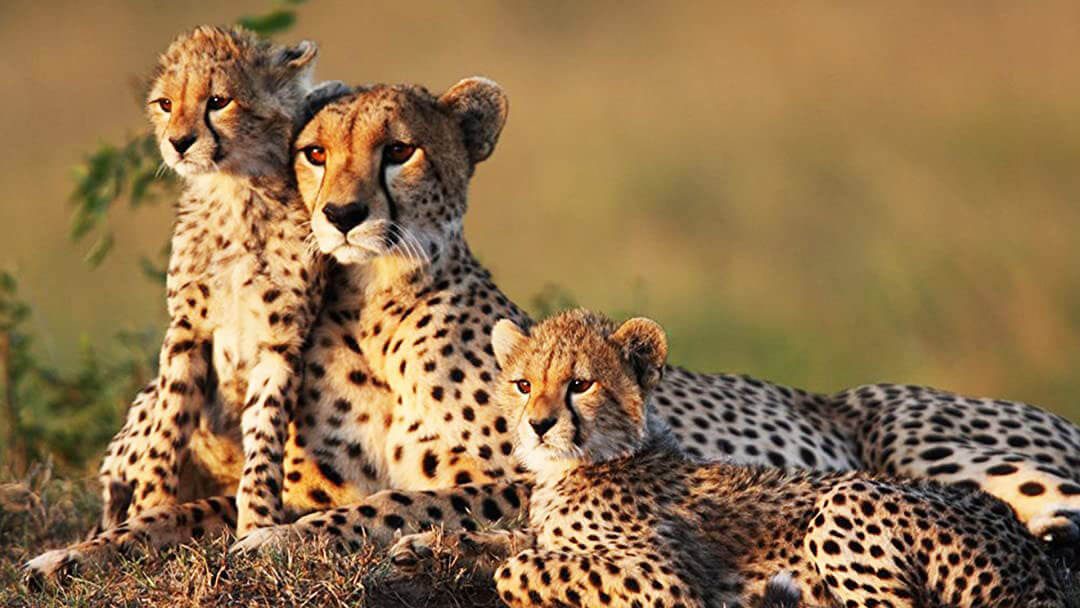
Drives across Meru’s varied terrain, riverine forest, open plains, and swampland, offer sightings of large elephant herds, buffalo, giraffe, and, with patience, lion, leopard, and cheetah, alongside rarer species like Grevy’s zebra and lesser kudu.
Visiting Elsa’s Grave
A genuinely moving stop for visitors familiar with the Born Free story, Elsa’s grave sits near the Tana River, not far from where she was raised by the Adamsons before her release into the wild.
Fishing on the Tana River
Fishing is permitted with a Kenya Wildlife Service permit, with catfish and tilapia the most commonly caught species, though local guides rate the barbel, found in the river’s faster-moving sections, as the more rewarding catch for anglers willing to seek out the rapids.
Birdwatching
With over 400 recorded species, Meru rewards dedicated birders, and Pel’s fishing owl, a genuinely difficult species to find elsewhere in Kenya, is a specific target for visitors who make the effort.
Nature Walks
Guided walking safaris offer a slower, more detailed way to experience the park’s riverine forest and swamp habitats, revealing tracks and smaller wildlife that a vehicle-based drive moves past too quickly to notice.
Cultural Village Visits
The park borders the traditional lands of the Ameru, Borana, and Tharaka communities, each represented at a different park gate, Ameru culture at Murera Gate, Borana at Bisanadi Gate, and Tharaka at Ura Gate, offering genuine cultural context alongside the wildlife-focused activities.
Attractions
Meru’s attractions combine genuine wilderness character with a specific, internationally significant conservation story.
Elsa’s Grave and the Born Free Legacy
The story of Joy and George Adamson raising the orphaned lioness Elsa, later immortalised in the bestselling book and Academy Award-winning film Born Free, remains Meru’s most significant claim to international fame, and Elsa’s grave near the Tana River is a genuine point of pilgrimage for visitors who grew up with the story.
The Rhino Sanctuary
An 80-square-kilometre fenced sanctuary within the park protects a growing population of both black and white rhino, a genuine conservation success story following the poaching crisis of the 1970s and 1980s.
The Tana, Rojewero, and Ura Rivers
Three major rivers border and bisect the park, creating a landscape of parallel waterways that give sections of Meru the appearance of a series of islands, with hippo and crocodile lurking beneath the riverine forest canopy along their banks.
Adamson’s Falls and Kiolu Falls
Adamson’s Falls on the Tana River draws most visitor attention, but the less-visited Kiolu Falls, set within a steep rock amphitheatre, reward travellers whose guide knows the route.
The Northern Swamps
Bwatherongi, Mururi, and Mulika swamps function much as the Ewaso Nyiro River does further north in Samburu, providing permanent water that concentrates wildlife reliably during the dry season.
Wildlife Highlights
Unhabituated Elephant Herds
Given Meru’s genuinely low visitor numbers, elephant herds here haven’t grown accustomed to vehicles the way they have in more visited parks, giving sightings a wilder, more unpredictable character.
Black and White Rhino
Protected within the park’s dedicated rhino sanctuary, Meru’s rhino population represents one of Kenya’s more significant conservation recoveries following the species’ near-elimination here during the 1970s and 1980s poaching crisis.
Grevy’s Zebra and Lesser Kudu
These arid-adapted species, more commonly associated with Kenya’s far north, appear here too, reflecting Meru’s position at a genuine ecological crossroads between wetter central Kenya and the drier north.
Fun Facts
- Meru National Park was the setting for Joy Adamson’s bestselling book Born Free and its 1966 Academy Award-winning film adaptation.
- Elsa the lioness died in 1961, and following Joy Adamson’s own death in 1980, some of her ashes were scattered at Elsa’s gravesite within the park.
- The park is bisected by thirteen rivers and mountain-fed streams, an unusually high concentration of permanent water for a Kenyan savanna park.
- Meru straddles the equator, giving it a warm, relatively consistent climate throughout the year with January to March the hottest stretch.
- The border between Meru and the adjoining Bisanadi National Reserve traditionally marks the boundary between the Meru and Borana peoples.
Frequently Asked Questions
Is Meru National Park related to the Born Free story?
Yes, directly. Joy and George Adamson raised the orphaned lioness Elsa here in the late 1950s, and the resulting book and film Born Free brought Meru international recognition. Elsa’s grave remains inside the park near the Tana River.
Why is Meru less visited than other Kenyan parks?
Largely a legacy of the poaching crisis of the 1970s and 1980s, from which the park’s reputation took decades to recover, despite wildlife populations having rebounded substantially since.
Is fishing really allowed inside a Kenyan national park?
Yes, at Meru specifically, fishing on the Tana River is permitted with a Kenya Wildlife Service permit, targeting catfish, tilapia, and barbel.
How does Meru compare to Samburu for arid-adapted wildlife?
Meru sits at a genuine ecological crossroads and holds some of the same arid-adapted species found in Samburu, including Grevy’s zebra and lesser kudu, alongside considerably more permanent water and denser riverine forest than Samburu’s drier landscape.
How many days should I spend at Meru?
Two to three days allows a genuine sense of the park’s varied terrain and a visit to Elsa’s grave, without feeling rushed given the park’s relatively remote location.