Aberdare National Park
Aberdare National Park sits in Kenya’s central highlands, roughly 150 kilometres north of Nairobi, straddling the eastern and western slopes of the Aberdare mountain range. The park covers 766 square kilometres, with elevation ranging from around 2,000 metres in the lower forest zone to over 4,000 metres on the high moorlands, giving it one of the most dramatic altitude ranges of any Kenyan park.
This altitude range is what defines nearly everything about a visit here. Rather than a single, uniform habitat, Aberdare compresses several distinct ecological zones, dense bamboo forest, montane rainforest, and open Afro-alpine moorland, into a genuinely compact area, meaning a single day’s drive can pass through scenery that would otherwise require travelling between several separate parks.
Overview
Aberdare is unlike anywhere else on a typical Kenya safari itinerary. Instead of scanning open savannah for wildlife, you drive through mist-shrouded bamboo forest, climb toward open moorland above 3,000 metres, and watch elephants and other wildlife emerge from the shadows at floodlit waterholes after dark. The cool, often misty climate, temperatures typically sit between 10 and 15 degrees Celsius year-round, gives the entire park a genuinely different character from the dry heat of Kenya’s savannah parks.
The park is also historically significant in a way few others can claim. In 1952, Princess Elizabeth was staying at Treetops Lodge within the park when she learned of her father’s death, becoming Queen Elizabeth II overnight. That single event has given Aberdare a lasting place in the popular imagination well beyond its wildlife credentials.
Established in 1950, Aberdare protects one of Kenya’s five major water towers, the mountain ecosystems that feed the country’s major rivers, including the Tana and Ewaso Nyiro, supplying water and hydroelectric power to millions of Kenyans well beyond the park’s own boundaries.
Best Time to Visit
The dry months, July through October and January through March, offer the clearest views and the most comfortable hiking and driving conditions, though Aberdare’s high-altitude weather remains genuinely unpredictable regardless of season, and rain can arrive at short notice even during the drier months.
Following a revised Kenya Wildlife Service tariff effective October 2025, the park’s first major fee adjustment in nearly two decades, non-resident adult entry currently runs at approximately 70 US dollars per 24-hour period, with children charged 35 dollars.
Getting There and Where to Stay
Getting There
The drive from Nairobi to Aberdare Country Club in Mweiga takes roughly three and a half hours via Nyeri. Multiple gates serve different parts of the park: Treetops, Ark, Ruhuruini, Kiandongoro, and Wandare Gates are accessed from Nyeri, Shamata and Rhino Gate from Nyahururu, and Mutubio Gate from the Naivasha side. Park fees are paid electronically via the KWSpay system before entry, since cash is no longer accepted at the gates.
Because you transition quickly from Nairobi’s roughly 1,700-metre elevation to the park’s moorlands above 3,000 metres, some visitors experience mild altitude discomfort on arrival. Drinking more water than usual in the hours before reaching the gate is a sensible, simple precaution.
Where to Stay
Aberdare’s defining accommodation experience is its tree lodges, elevated structures built directly overlooking floodlit waterholes, letting guests watch wildlife arrive through the night without needing a night drive. Treetops Lodge, the smaller and more historically significant of the two, holds fifty rooms and is where Princess Elizabeth learned she had become queen. The Ark, styled to resemble Noah’s Ark, is larger, with sixty rooms and four viewing decks. Aberdare Country Club, at the park’s edge in Mweiga, offers a more conventional lodge experience with horseback safaris among its activities. Nyeri, Mweiga, and Ndaragwa also offer a range of budget-friendly hotels and cottages outside the park itself.
Activities
Aberdare offers a mix of adventure, wildlife, and relaxation genuinely unmatched elsewhere in Kenya’s highlands.
Night Game Viewing at Waterhole Lodges
The signature Aberdare experience: settling in at The Ark or Treetops as darkness falls and watching elephant, buffalo, giant forest hog, and spotted hyena arrive at the floodlit waterhole through the night, no vehicle required.
Game Drives
Daytime drives through the forest and moorland zones offer a chance at forest elephant, giant forest hog, and, with real patience, the elusive bongo antelope and leopard, both present but rarely seen given the dense cover.
Waterfall Walks
The Chania, Magura, Karuru, and Gura Falls plunge dramatically through the park’s forested ravines, with Queen Elizabeth Falls specifically named in honour of the monarch’s connection to the park.
Trout Fishing
Rainbow trout fishing is permitted in several of the park’s clear mountain streams, including the Chania River, a genuinely peaceful complement to the more wildlife-focused activities.
Hiking to Ol Donyo Lesatima
The park’s moorland trails range from easy forest walks to a genuinely strenuous trek to the summit of Ol Donyo Lesatima, at 3,999 metres one of the more serious hiking challenges available in Kenya’s central highlands.
Horseback Safaris
Offered through the Aberdare Country Club, horseback rides through the surrounding countryside give a different, quieter pace than a vehicle-based drive.
Helicopter Scenic Flights
Some operators offer aerial flights over the park’s waterfalls and alpine ridges, giving a genuinely different perspective on the mist-covered moorlands and forested ravines that dominate the landscape below.
Attractions
Aberdare’s attractions combine dramatic natural scenery with genuine historical significance found nowhere else in Kenya.
Treetops Lodge
The historic treehouse lodge where Princess Elizabeth learned of her father’s death and became Queen Elizabeth II in 1952, an event that transformed this modest forest lodge into a genuine piece of royal history.
The Ark
A larger waterhole lodge designed to resemble Noah’s Ark, with four viewing decks offering exceptional night wildlife viewing over its floodlit waterhole.
Karuru, Gura, Chania, and Magura Falls
A series of dramatic waterfalls plunging through the park’s forested ravines, among the most scenic natural features in Kenya’s central highlands.
The High Moorlands
Above 3,000 metres, the park’s Afro-alpine moorland offers a genuinely different landscape from the forest below, cool, open, and often shrouded in mist, with views extending across the wider Aberdare range on clearer days.
Mau Mau Caves and the Kimathi Post Office Tree
Historical sites within the park connect to Kenya’s independence struggle, including caves used by Mau Mau freedom fighters in the 1950s and a fig tree under which resistance leader Dedan Kimathi reportedly coordinated activity.
Wildlife Highlights
Black Rhino
Aberdare holds a genuinely important black rhino population, protected within the park’s fenced boundaries as part of Kenya’s wider rhino conservation strategy.
The Bongo Antelope
This striking, strikingly rare forest antelope is one of Aberdare’s most significant conservation priorities, and lions were relocated from the park specifically to protect the bongo population from predation, a genuinely unusual conservation trade-off.
Forest Elephant and Giant Forest Hog
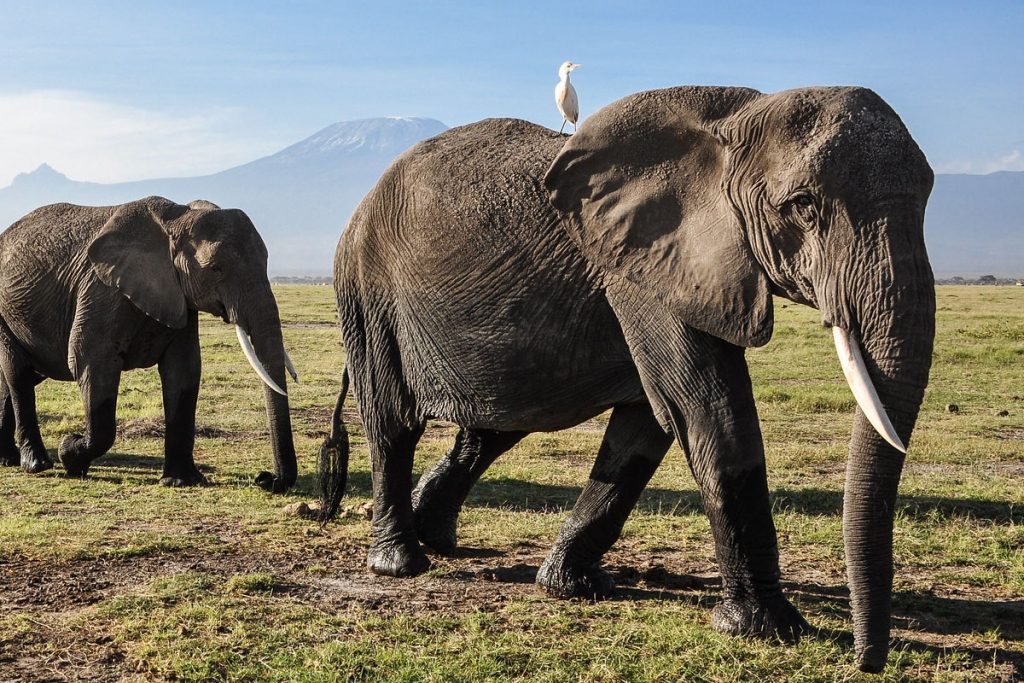
Aberdare’s elephant population has adapted to genuinely different, denser forest habitat than the savannah elephants found elsewhere in Kenya, and the park is one of the better places in the country to see the elusive giant forest hog.
Fun Facts
- Aberdare National Park was established in 1950, among the earliest protected areas in Kenya.
- Lions were deliberately relocated out of the park specifically to protect its endangered bongo antelope population, a genuinely unusual conservation decision.
- The park’s Yasabara waterhole reliably draws elephant, Cape buffalo, giant forest hog, bushbuck, waterbuck, hyena, and warthog throughout the year.
- Aberdare is managed jointly by the Kenya Wildlife Service, the Kenya Forest Service, and the Rhino Ark Kenya Charitable Trust, a collaborative model credited with the park’s recovery over recent decades.
- Over 290 bird species have been recorded across the park’s forest and moorland zones.
Frequently Asked Questions
Is Aberdare suitable for a day trip from Nairobi?
Yes, though a one-night stay is strongly recommended, since the best wildlife viewing happens after dark at the waterhole lodges, an experience a same-day round trip would miss entirely.
What’s the difference between The Ark and Treetops Lodge?
Both are tree lodges overlooking floodlit waterholes. The Ark is larger, with sixty rooms and four viewing decks, designed to resemble Noah’s Ark. Treetops is smaller, with fifty rooms, and historically significant as the place where Princess Elizabeth became Queen.
Can I see the Big Five at Aberdare?
Four of the five are present, elephant, buffalo, leopard, and black rhino. Lion were relocated out of the park specifically to protect the endangered bongo antelope, so this isn’t a Big Five destination in the traditional sense.
Do I need warm clothing at Aberdare?
Yes, genuinely. Temperatures typically sit between 10 and 15 degrees Celsius year-round given the park’s high altitude, and a fleece or jacket is necessary even during the day.
Is trout fishing really available in Kenya’s highlands?
Yes, Aberdare’s clear mountain streams, including the Chania River, support rainbow trout, and fishing is a genuine, well-established park activity.