Wildlife Safaris in Rwanda
Wildlife safaris in Rwanda means Akagera National Park, and understanding that upfront prevents a common source of disappointment: unlike Kenya or Tanzania, where multiple substantial savannah parks compete for a traveller’s attention, Rwanda’s classic game-drive experience is concentrated entirely in this single eastern park.
Akagera holds all of the Big Five, lion, leopard, elephant, buffalo, and both African rhino species, but its current wildlife density reflects an active, ongoing recovery rather than a long-settled, densely populated ecosystem like the Maasai Mara or Serengeti.
We set this expectation clearly with every client considering a Rwanda safari alongside gorilla trekking. Akagera delivers a genuinely worthwhile, increasingly rich game drive experience and a remarkable conservation story, but travellers whose primary goal is the highest possible density of predator sightings are generally better served adding a dedicated Kenya or Tanzania leg to their itinerary rather than expecting Akagera alone to match those destinations.
Akagera’s Conservation Recovery, in Brief
Following Rwanda’s 1994 genocide and the large-scale resettlement of returning refugees across much of Akagera’s original protected area, the park’s large predator and rhino populations were lost entirely to poaching, conflict, and habitat conversion to farmland.
A partnership between the Rwanda Development Board and African Parks, beginning in 2010, reversed that decline through boundary fencing, intensive anti-poaching efforts, and a carefully sequenced series of species reintroductions: lion from South Africa in 2015, black rhino in 2017, and a further seventy white rhinos relocated to the park in May 2026.
This recovery was substantial enough that Akagera was named a National Geographic Best Place to Visit for 2026, a genuine mark of how far the park has come within living memory.
Game Drives at Akagera
Akagera offers both day and night game drives, the latter a genuine rarity among East Africa’s major savannah parks.
Day drives, typically run at dawn or late afternoon, cover the park’s central plains for the best chances at lion, elephant, buffalo, and giraffe, while night drives reveal a different set of species, leopard and various smaller nocturnal predators, rarely encountered during daylight hours.
| Activity | Duration | What to Expect |
| Morning game drive | 2 – 4 hours | Cooler temperatures, active wildlife, best light for photography |
| Afternoon/evening game drive | 2 – 4 hours | Strong birding, wildlife becoming active again as temperatures cool |
| Night game drive | 2 – 3 hours | A genuine rarity in the region; reveals leopard and nocturnal species |
| Boat cruise on Lake Ihema | 1.5 – 2 hours | Hippo, crocodile, and strong birdlife; the only such activity in any Rwandan park |
Beyond Game Drives: The Lakes of Akagera
Akagera’s eastern boundary, bordering Tanzania, includes a chain of lakes supporting a substantial hippo and crocodile population. The boat cruise on Lake Ihema, the only such activity available in any Rwandan national park, offers a genuinely different pace and perspective than a vehicle-based drive, and pairs naturally with a morning or afternoon game drive on the same day.
How Akagera Compares to East Africa’s Major Safari Parks
| Factor | Akagera National Park | Maasai Mara / Serengeti |
| Big Five presence | All five present, following recent reintroductions | All five present, long-established populations |
| Wildlife density | Recovering strongly, still developing | Among the highest in Africa |
| Visitor density | Low; among the least crowded parks in the region | Can be high, particularly during migration season |
| Unique activities | Night drives, boat cruise on Lake Ihema | Hot air balloon safaris, wildebeest migration river crossings |
| Best suited to | Travellers wanting a compact, single-country Rwanda circuit | Travellers prioritising maximum wildlife density and drama |
This comparison is not meant to discourage a Rwanda safari, but to set it in honest context. For a traveller who has already experienced the Mara or Serengeti and wants to add Rwanda specifically for its gorillas, Akagera makes a genuinely worthwhile complementary stop rather than a competing headline destination.
For a first-time safari traveller building a Rwanda-only itinerary, Akagera delivers a legitimate, rewarding Big Five experience, provided expectations are calibrated to its ongoing recovery rather than to East Africa’s most famous, longest-established ecosystems.
Birding at Akagera
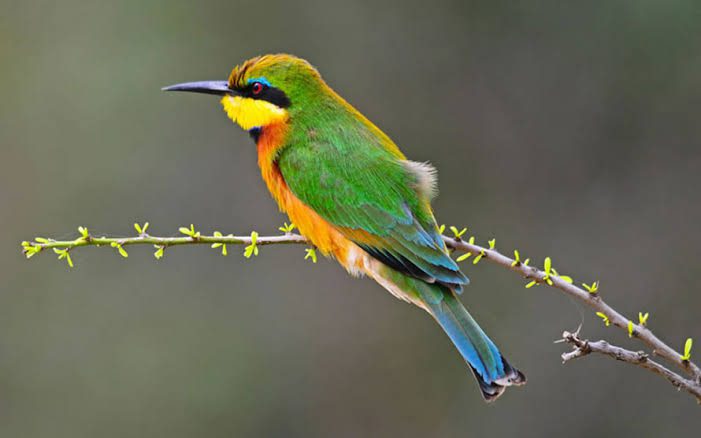
Beyond its Big Five profile, Akagera holds a genuinely strong bird list drawing on its lake and papyrus swamp habitat alongside classic savannah species, including the rare shoebill stork in the park’s wetland areas on fortunate days.
Birders visiting Rwanda primarily for gorillas and chimpanzees sometimes overlook Akagera entirely, which is a missed opportunity given how distinct its wetland birding is from the forest species found at Volcanoes or Nyungwe.
Photography Considerations
Akagera’s open savannah and lake habitats offer considerably more favourable photography conditions than the dense forest environments at Rwanda’s primate parks, with long sightlines and strong golden-hour light during morning and evening drives.
A private vehicle with a pop-up roof, allowing standing photography without disembarking, is worth prioritizing for travellers with serious photography goals, particularly during the night drive, where a spotlight and patient positioning improve the odds of a good sighting considerably.
Where Wildlife Safaris Fit on a Rwanda Itinerary
Akagera sits in Rwanda’s eastern region, near the Tanzanian border, roughly two to two and a half hours by road from Kigali, considerably more accessible than Nyungwe. Its position on the opposite side of the country from Volcanoes National Park means a dedicated transfer, generally a comfortable half-day drive, is required to combine both.
| From | Approx. Distance / Time |
| Kigali International Airport | 2 – 2.5 hours by road |
| Volcanoes National Park | 5 – 6 hours by road, via Kigali |
| Nyungwe Forest National Park | 6 – 7 hours by road, via Kigali |
When to Go on Safari in Rwanda
| Season | Months | What to Expect |
| Dry Season | June – September, December – February | Best game viewing as wildlife concentrates near remaining water, easier road conditions. |
| Wet Season | March – May, October – November | Lush scenery and strong birding, though wildlife disperses more widely across the park. |
Where to Stay for an Akagera Safari
Magashi Camp, a luxury tented property on Lake Rwanyakazinga’s shore, offering strong wildlife viewing directly from camp alongside private guided drives.
- Ruzizi Tented Lodge, a solid mid-range option near Lake Ihema, well positioned for the boat cruise and central game drive circuits.
- Akagera Game Lodge, offering comfortable mid-range rooms with sweeping views over the park’s plains.
- Community campsites near the southern gate, a budget-friendly option for self-drive or cost-conscious travellers.
Tipping Your Guide and Driver
Tipping is standard practice for Akagera game drives, generally in the range of ten to twenty US dollars per day for your guide or driver depending on group size and service quality. Unlike gorilla or chimpanzee trekking, where tips go primarily to individual ranger guides and trackers, Akagera’s tipping norms more closely resemble a conventional safari elsewhere in East Africa, since the activity itself is structured around vehicle-based drives rather than forest tracking.
Planning Advice
- Book both a day and a night game drive if possible, since Akagera is one of the few parks in the region offering the latter, revealing a genuinely different set of species.
- Set realistic expectations around Big Five sightings, given the park’s still-developing wildlife density following recent species reintroductions.
- Combine the Lake Ihema boat cruise with a game drive on the same day for an efficient, varied day of activities.
- If chasing Rwanda’s low-season gorilla permit discount, plan genuine multi-night time at Akagera specifically, since a brief stop will not qualify.
- If maximum predator density is your central safari priority, consider adding a dedicated Kenya or Tanzania leg rather than relying on Akagera alone to deliver that experience.
Who a Rwanda Wildlife Safari Suits Best
| Traveller Type | Recommendation |
| Traveller wanting a complete, single-country Rwanda circuit | Excellent fit; Akagera is what makes a full gorillas-chimps-Big Five itinerary possible. |
| Conservation-minded traveller | Particularly rewarding given the park’s genuinely compelling, ongoing recovery story. |
| Traveller prioritising maximum predator density | Better served by Kenya’s Maasai Mara or Tanzania’s Serengeti as the primary safari leg. |
| Birder | Strong candidate given the park’s lake and papyrus swamp habitat alongside classic savannah species. |
| Traveller chasing the low-season gorilla permit discount | Should plan genuine time at Akagera specifically to help qualify. |
| First-time Africa safari traveller with a Rwanda-only trip | Well suited, given the park’s accessible distance from Kigali and increasingly rich wildlife offering. |
Frequently Asked Questions
Is Akagera Rwanda’s only safari park?
Yes. Volcanoes National Park, Nyungwe, and Gishwati-Mukura are all primate trekking destinations, forest environments rather than open savannah, making Akagera the country’s sole classic game-drive safari park.
Can I see all of the Big Five at Akagera?
Yes, all five species are present following recent reintroductions, though sightings are not guaranteed on any single visit given the park’s still-developing wildlife density.
How does Akagera compare to the Maasai Mara or Serengeti?
Akagera offers a genuinely compelling recovery story and considerably lower visitor numbers, but its wildlife density does not yet match those larger, longer-established ecosystems. It is best understood as a worthwhile complement to, rather than a replacement for, a dedicated Kenya or Tanzania safari.
Are night game drives available in Rwanda?
Yes, exclusively at Akagera among Rwanda’s parks, a genuine rarity in the region that reveals leopard and other nocturnal species rarely seen during the day.
How far is Akagera from Kigali?
Roughly two to two and a half hours by road, making it the most accessible of Rwanda’s major parks from the capital.
Is a Rwanda safari worth it if I am also planning a Kenya or Tanzania trip?
Yes, particularly as a complementary stop for its conservation story and unique activities like night drives and the Lake Ihema boat cruise, rather than as a substitute for the wildlife density Kenya or Tanzania’s parks deliver. Many of our clients specifically value Akagera as a change of pace and a genuinely different narrative from the more established parks elsewhere in the region, and appreciate not having to cross into a third country to add it to their trip.