Bird Watching in Rwanda
Bird Watching in Rwanda lives almost entirely in the shadow of its gorillas, which is unfortunate given how genuinely strong the country’s overall bird list is. Between Nyungwe’s Albertine Rift endemics, Akagera’s wetland specialists, Volcanoes National Park’s high-altitude species, and Gishwati-Mukura’s underrated forest list, Rwanda offers serious birding across four distinct habitat types within a country small enough to cover all of them on a single, well-planned trip.
This guide works through each region, what it offers, and how to build birding into an itinerary otherwise centred on primates and Big Five game viewing.
Nyungwe Forest National Park: The Country’s Premier Birding Destination
Nyungwe holds Rwanda’s strongest bird list by a considerable margin, with over three hundred recorded species including a substantial concentration of Albertine Rift endemics: the park’s high-altitude montane forest, believed to have survived largely intact through the continent’s ice ages, supports species found in only a handful of other locations globally. Regular sightings include the Rwenzori turaco, handsome francolin, and a range of sunbirds and greenbuls specific to this ancient forest ecosystem.
Guided birding walks along the network of trails radiating from the Uwinka visitor centre offer the most productive access to this species list, and serious birders often extend their Nyungwe stay to two or three days specifically to work through a comprehensive checklist, well beyond the single day most itineraries allocate for chimpanzee trekking alone.
Akagera National Park:
Akagera’s chain of lakes and papyrus swamp habitat along its eastern boundary supports a genuinely different bird community from Rwanda’s forest parks, including the rare and highly sought-after shoebill stork, African fish eagles, pelicans, and a strong selection of waterfowl. Combined with classic savannah species, kori bustard and various rollers among them, Akagera gives birders a legitimate reason to visit beyond its Big Five reputation alone.
Volcanoes National Park:
Less commonly associated with birding than its gorilla trekking reputation suggests, Volcanoes National Park’s bamboo and afro-alpine zones support a range of high-altitude species found nowhere else in Rwanda, including several Albertine Rift endemics distinct from those found at Nyungwe’s lower elevation. Birding here is generally a secondary activity alongside gorilla or golden monkey trekking rather than a dedicated pursuit, given the park’s primary infrastructure built around primate trekking.
Gishwati-Mukura:
Despite its small size, just 34 square kilometres, Gishwati-Mukura has recorded over 230 species in its Gishwati section alone, including a meaningful number of Albertine Rift endemics. The park’s compact scale actually works in birders’ favour, concentrating species within a smaller, more easily covered area than Nyungwe’s considerably larger forest, making it a worthwhile addition for repeat visitors or those with extra time along the Lake Kivu shoreline route.
Best Trails for Birding at Nyungwe
The Igishigishigi Trail, leading to the canopy walk, offers strong opportunities for canopy-level species alongside the aerial bridge experience itself. The Bigugu Trail, the park’s highest point, rewards birders willing to tackle a more demanding hike with views and species not found at lower elevations. The Karamba Trail, gentler and closer to the Uwinka visitor centre, suits birders wanting a strong return on a shorter time commitment.
Rwanda’s Endemic and Near-Endemic Species
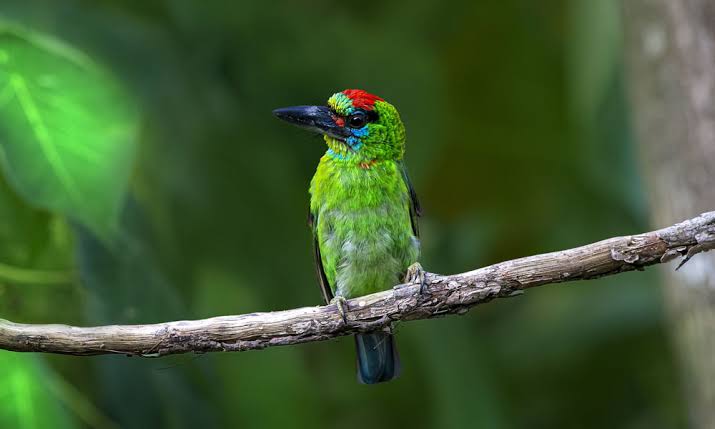
Beyond the general Albertine Rift endemic category, Rwanda hosts several species considered near-endemic to the region, including the Rwenzori turaco, Kivu ground thrush, and the strange weaver, a genuinely distinctive bird whose common name reflects its unusual, hanging colonial nest structures. Serious birders travelling specifically to add these species to a life list should discuss target species directly with their guide before each day’s outing, since local knowledge of current territories changes the odds considerably.
Comparing Rwanda’s Birding Regions
| Region | Recorded Species | Signature Birds |
| Nyungwe Forest National Park | 300+ | Rwenzori turaco, handsome francolin, Albertine Rift endemics |
| Akagera National Park | Strong wetland and savannah list | Shoebill stork, African fish eagle, kori bustard |
| Volcanoes National Park | High-altitude specialists | Species distinct from Nyungwe’s lower-elevation endemics |
| Gishwati-Mukura National Park | 230+ (Gishwati section) | Concentrated Albertine Rift endemics in a compact area |
Essential Birding Equipment
- Quality binoculars, at least 8×42 magnification, given how much forest birding involves spotting movement in dense canopy at a distance.
- A field guide specific to East African or Albertine Rift species, since general Africa-wide guides often lack the regional detail serious birders need.
- A camera with a telephoto lens if photography is a priority, particularly for canopy-level species at Nyungwe that rarely come close enough for a standard lens.
- Comfortable, quiet clothing in muted colours, since bright colours and noisy fabric can flush birds before a sighting is possible.
When to Go Birding in Rwanda
Birding in Rwanda is considerably less seasonally restrictive than savannah game viewing, since forest and wetland species remain present year-round. That said, the wetter months, October to May, often bring increased activity and vocalisation as birds enter breeding cycles, while the drier months, June to September and December to February, offer easier walking conditions and generally clearer visibility. Serious birders sometimes deliberately choose the shoulder or wet seasons specifically for this increased activity, a genuine exception to the usual dry-season-is-best assumption that governs most other wildlife viewing in the region.
Planning a Birding-Focused Rwanda Itinerary
| Days | Suggested Allocation |
| 7 days | 3 days Nyungwe, 2 days Akagera, 2 days Volcanoes National Park (combined with gorilla trekking) |
| 10 days | Add Gishwati-Mukura or extend Nyungwe to 4-5 days for a more complete species list |
Budgeting for a Birding Trip
Birding activities themselves are considerably less expensive than primate trekking permits. Guided forest walks at Nyungwe carry modest park entry fees, and birding is typically included in the cost of a standard game drive at Akagera rather than requiring a separate specialised permit. A dedicated professional birding guide, recommended for serious species-list building, is usually arranged as an add-on through your operator or lodge.
Planning Advice
- Allocate at least two to three days at Nyungwe specifically if serious birding is a priority, rather than the single day most general itineraries include for chimpanzee trekking alone.
- Hire a dedicated bird guide at each park, since general wildlife guides, while knowledgeable, are not always specialists in bird identification and calls.
- Consider the wetter months deliberately if increased bird activity and vocalisation matter more to you than easier walking conditions.
- Bring quality binoculars and a field guide specific to East African or Albertine Rift species, since forest birding in particular rewards careful, patient observation.
- Combine Akagera’s wetland birding with its Big Five game drives on the same day, since both activities are based from the same central lodges.
Who Rwanda Birding Suits Best
| Traveller Type | Recommendation |
| Serious birder | Excellent fit; Nyungwe alone justifies a multi-day, dedicated visit. |
| Traveller combining birding with primates | Well suited, given how naturally birding pairs with gorilla, chimpanzee, and golden monkey trekking. |
| Casual nature enthusiast | Rewarding even without a dedicated birding focus, given how much incidental birdlife appears during standard game drives and forest walks. |
| Photographer | Strong candidate, particularly at Akagera for the shoebill and at Nyungwe for colourful forest species. |
| Repeat Rwanda visitor | Gishwati-Mukura offers a worthwhile, less-visited fourth birding region to explore. |
Frequently Asked Questions
Which Rwanda park is best for birding?
Nyungwe Forest National Park, given its list of over three hundred species and substantial concentration of Albertine Rift endemics, considerably ahead of Rwanda’s other three parks in overall species diversity.
Can I see the shoebill stork in Rwanda?
Yes, at Akagera National Park’s wetland areas, though sightings are possible rather than guaranteed given the species’ naturally elusive behaviour.
Is birding in Rwanda seasonal?
Less so than savannah game viewing, since forest and wetland species remain present year-round. The wetter months often bring increased activity and vocalisation, a genuine exception to the usual dry-season preference.
Do I need a specialist bird guide, or will a standard safari guide suffice?
A dedicated bird guide is recommended for serious species-list building, since standard wildlife guides, while knowledgeable, are not always specialists in bird call identification and the finer points of species differentiation.
How many days should I allocate to birding in Rwanda?
A minimum of two to three days at Nyungwe alone is worthwhile for serious birders, with additional time at Akagera and Volcanoes National Park adding further species variety across different habitat types.
Is Rwanda a good country for a dedicated birding trip, separate from gorillas?
Yes, particularly for birders willing to allocate real time to Nyungwe specifically. While most Rwanda itineraries centre on gorilla trekking, a birding-focused trip built around Nyungwe, Akagera, and Gishwati-Mukura stands on its own merits, and we build such itineraries regularly for clients whose primary interest is genuinely ornithological.
What is the significance of the term Albertine Rift endemic?
It refers to species found only within the Albertine Rift region, spanning parts of Rwanda, Uganda, Burundi, and the eastern Democratic Republic of Congo, and nowhere else on earth. Rwanda’s forest parks, particularly Nyungwe, hold a disproportionately high concentration of these species relative to the country’s small size.