Big Five Safaris in Rwanda
The term Big Five gets used loosely in a lot of Rwanda marketing, and we think it deserves a more precise treatment than it usually gets. Lion, leopard, elephant, buffalo, and both African rhino species are all genuinely present in Rwanda today, entirely within Akagera National Park, but each has its own distinct backstory, current population size, and honest sighting likelihood that a single blanket claim of Big Five status glosses over. This guide goes species by species, since that level of detail is what actually helps set realistic expectations before a game drive.
All five species exist in Rwanda as a direct result of the same restoration effort: a partnership between the Rwanda Development Board and African Parks, beginning in 2010, that has methodically rebuilt Akagera’s wildlife populations after decades of poaching and habitat loss following the 1994 genocide. Understanding that this is a recovering ecosystem, not a long-settled one, is the single most important piece of context for any Big Five expectations in Rwanda.
Lion
Lions were reintroduced to Akagera in 2015 from South Africa’s Phinda and Tembe reserves, after a roughly twenty-year absence from Rwanda entirely: the founding population of seven has since grown considerably through natural breeding, and prides are now reasonably well distributed across the park’s central and southern savannah areas. Sightings are genuinely possible on a well-guided game drive, particularly during the dry season when prides concentrate near remaining water sources, though as with any wild lion population, no single visit guarantees a sighting.
Leopard
Leopards were never fully eliminated from Akagera national park in the way lions were, having persisted in low numbers through the park’s most difficult decades, likely aided by their solitary, elusive nature and preference for dense cover. This makes leopard the most difficult of the Big Five to see at Akagera, a reality consistent with leopard sightings at most African parks regardless of population health. Night game drives, one of Akagera’s more distinctive offerings, improve the odds somewhat, since leopards are more active after dark.
Elephant
Akagera’s elephant population survived the park’s most degraded period in greater numbers than its large predators and rhino, and today the species is reasonably well distributed across the park, particularly around its central lakes and swampland. Elephant sightings on a standard game drive are considerably more reliable than lion or leopard, making this often the first Big Five species travellers encounter at Akagera.
Buffalo
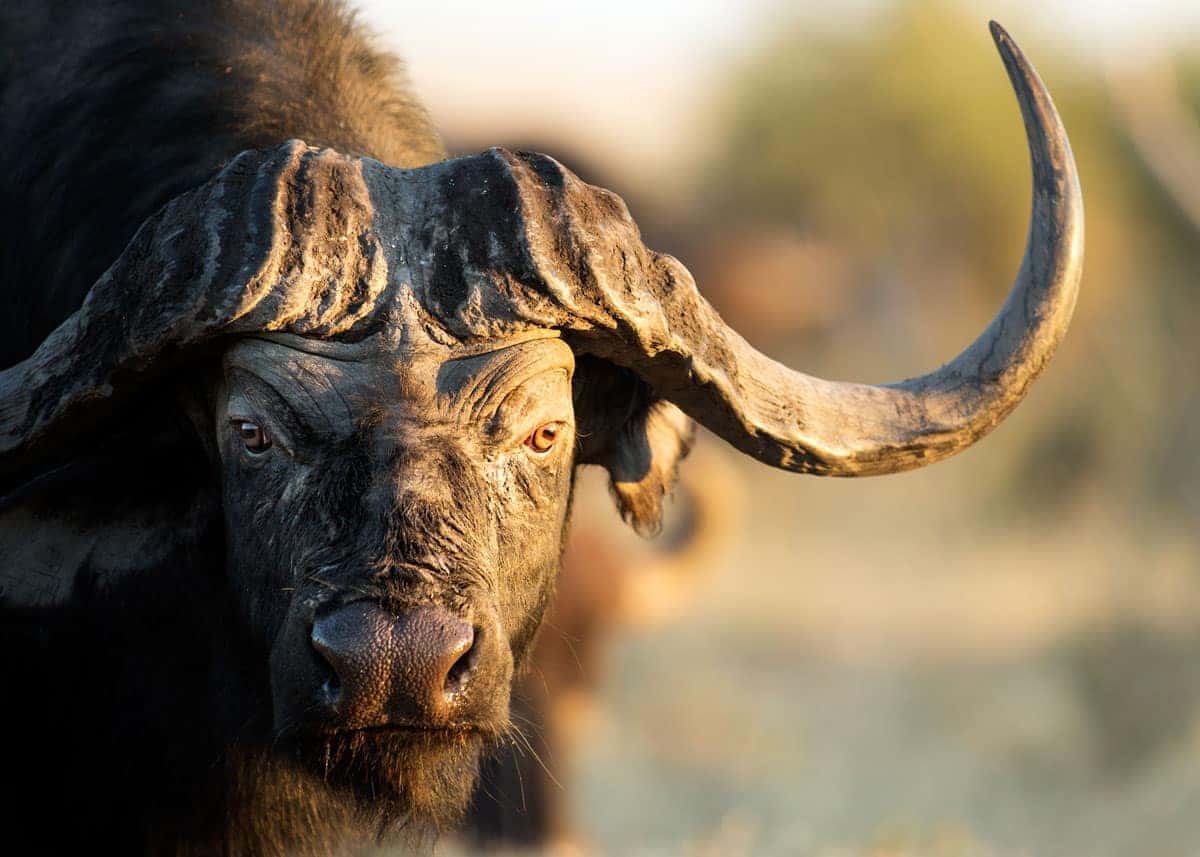
Cape buffalo represent one of the more straightforward Big Five sightings at Akagera, with herds, sometimes numbering in the hundreds, regularly encountered across the park’s central plains. Buffalo populations were less severely impacted by the park’s difficult period than the large predators and rhino, giving this species one of the more consistently reliable sighting records of the five.
Rhino
Rhino tell the most dramatic reintroduction story of any Big Five species at Akagera. Black rhino, critically endangered and among the rarer subspecies globally, were reintroduced in 2017 after the species had disappeared from Rwanda entirely. White rhino followed in a smaller initial introduction, before a further seventy individuals were relocated to the park in May 2026, substantially expanding the population and making Akagera home to a genuinely significant rhino population by regional standards. Given the relative recency of these introductions, particularly the 2026 white rhino arrival, sightings remain a real possibility but should be treated as a hoped-for highlight rather than a guaranteed outcome.
Honest Sighting Likelihood, Species by Species
| Species | Sighting Likelihood | Best Viewing Context |
| Lion | Good, particularly in the dry season | Day game drives across central and southern savannah |
| Leopard | Lower; the most elusive of the five | Night game drives improve the odds somewhat |
| Elephant | Very good | Central lakes and swampland areas |
| Buffalo | Very good, often in large herds | Central plains, day or night drives |
| Rhino (black and white) | Improving, following the May 2026 white rhino relocation | Best discussed directly with your ranger guide given evolving territories |
How Akagera Compares to Established Big Five Parks
The honest comparison to Kenya’s Maasai Mara, Tanzania’s Serengeti, or South Africa’s Kruger National Park is that those parks offer considerably higher overall wildlife density and longer-settled populations across all five species, reflecting decades or in some cases over a century of continuous protection. Akagera’s Big Five status is real but young, and travellers should calibrate expectations accordingly: a Rwanda Big Five safari rewards genuine interest in an ongoing conservation story as much as it rewards a simple species checklist.
The Recovery Model Behind These Numbers
Akagera’s species-by-species story is possible only because of a specific, sustained conservation partnership. African Parks, a non-profit that manages protected areas across the continent on behalf of national governments, took over Akagera’s management jointly with the Rwanda Development Board in 2010, bringing dedicated anti-poaching funding, a perimeter fence to reduce human-wildlife conflict along the park’s boundary, and a carefully sequenced reintroduction strategy. Each species arrived only after measurable improvements in security and habitat conditions, which is part of why the five have not all arrived at once, and why current populations, particularly rhino, remain in an active growth phase rather than a settled equilibrium.
Where to Stay for a Big Five Safari
- Magashi Camp, a luxury tented property on Lake Rwanyakazinga, offering strong wildlife viewing directly from camp alongside private guided drives.
- Ruzizi Tented Lodge, a solid mid-range option near Lake Ihema, well positioned for game drives and the boat cruise.
- Akagera Game Lodge, offering comfortable mid-range rooms with sweeping views over the park’s plains.
- Community campsites near the southern gate, a budget-friendly option for self-drive or cost-conscious travellers.
Where to See the Big Five in Rwanda
Akagera National Park, in Rwanda’s eastern region near the Tanzanian border, is the only location in the country where all five species are present. Roughly two to two and a half hours from Kigali by road, it is the most accessible of Rwanda’s major parks from the capital, making a Big Five safari a genuinely convenient addition to a wider gorilla and chimpanzee-focused itinerary.
When to Go for the Best Big Five
| Season | Months | What to Expect |
| Dry Season | June – September, December – February | Best visibility as wildlife concentrates near remaining water, the recommended window for Big Five priority. |
| Wet Season | March – May, October – November | Wildlife disperses more widely, requiring more patience, though sightings remain possible. |
Planning Advice
- Book both a day and a night game drive specifically to improve your chances with leopard, the most elusive of the five.
- Set realistic expectations around rhino sightings given how recently the current population arrived, particularly the 2026 white rhino relocation.
- Choose the dry season windows if maximum Big Five sighting likelihood is your central priority.
- Ask your ranger guide directly about current pride and herd territories, since this changes over time as the park’s populations continue to grow and settle.
- Consider Akagera a genuine complement to, rather than a substitute for, a dedicated Kenya or Tanzania safari if maximum predator density is your central goal.
Who a Rwanda Big Five Safari Suits Best
| Traveller Type | Recommendation |
| Traveller wanting a complete single-country Rwanda circuit | Excellent fit; Akagera is what makes a full gorillas-chimps-Big Five itinerary possible. |
| Conservation-minded traveller | Particularly rewarding given the genuinely compelling reintroduction stories behind each species. |
| Traveller prioritising maximum sighting certainty | Better served by an established park like the Maasai Mara or Kruger for the full checklist. |
| Photographer | Rewarding given low visitor numbers and increasingly settled wildlife across open savannah. |
| First-time Africa safari traveller on a Rwanda-only trip | Well suited, given Akagera’s accessibility and increasingly rich wildlife offering. |
Frequently Asked Questions
Can I see all of the Big Five in one visit to Akagera?
It is possible but not guaranteed on any single visit, particularly for leopard and rhino, both considerably harder to locate than lion, elephant, or buffalo. A multi-day stay with both day and night drives improves your overall odds meaningfully.
When were rhinos reintroduced to Akagera?
Black rhino arrived in 2017, followed by an initial white rhino introduction, and then a further seventy white rhinos relocated to the park in May 2026, substantially expanding the population.
Is leopard the hardest Big Five species to see at Akagera?
Yes, consistent with leopard sightings at most African parks given the species’ solitary, elusive nature. Night game drives improve the odds somewhat, since leopards are more active after dark.
How does Akagera’s Big Five experience compare to Kenya or Tanzania?
Akagera offers a genuinely compelling, actively developing recovery story with real Big Five presence, but its overall wildlife density does not yet match the longer-established ecosystems of the Maasai Mara, Serengeti, or Kruger. It is best understood as a worthwhile complement rather than a replacement for those destinations.
What is the best season for a Big Five safari in Rwanda?
June to September and December to February, when wildlife concentrates near remaining water sources and vegetation thins, improving overall visibility across all five species.
Are there rhino tracking add-ons at Akagera similar to gorilla tracking?
Not in the same formal, permit-based sense as gorilla or chimpanzee trekking. Rhino sightings at Akagera happen during standard game drives rather than a dedicated tracking activity, since the park’s approach favours vehicle-based viewing across open savannah rather than on-foot tracking given the terrain and safety considerations around a still-developing population.
Does Akagera offer walking safaris for Big Five viewing?
No, unlike Uganda’s Lake Mburo, Akagera does not currently offer walking safaris given the presence of potentially dangerous game across open terrain. All Big Five viewing here takes place from a vehicle, whether on day or night drives.