Ruma National Park
Ruma National Park sits in western Kenya near Homa Bay, along the shore of Lake Victoria, Africa’s largest freshwater lake, in what was formerly Nyanza Province. Covering approximately 120 square kilometres, Ruma is the only terrestrial national park in this entire region of the country, a genuinely distinct outpost in Kenya’s park system given how far it sits from the classic Rift Valley and southern safari circuit.
Overview
Ruma holds a specific and genuinely urgent conservation distinction: it protects the only indigenous population of roan antelope remaining in Kenya, a striking, horse-like antelope species that has largely vanished from the rest of the country. The park has earned the nickname ‘the last retreat of the roan antelope’ as a direct result, and the population here, while stable, remains small enough that every sighting carries genuine conservation weight rather than being a routine safari encounter.
Originally established in 1966 as the Lambwe Valley Game Reserve, the park was renamed Ruma in 1983 at the request of the local community, taking its name from a once-powerful local wizard associated with the area. That renaming reflects a broader pattern across many Kenyan protected areas, where community input has shaped how a landscape is formally recognised and named.
Ruma’s location, well off the beaten path of Kenya’s main tourism circuit, means it remains one of the country’s most genuinely undiscovered parks, appealing specifically to travellers who’ve already covered the classic destinations and want something considerably quieter and more specialised.
Best Time to Visit
The dry seasons, roughly June through October and January through March, offer the most comfortable travelling conditions and the best game viewing, as wildlife concentrates more predictably around the park’s remaining water sources during these months.
As one of Kenya’s smaller, less-visited parks, Ruma’s entry fees sit at the lower end of the Kenya Wildlife Service’s fee structure, and given how infrequently this specific park appears in general Kenya travel resources, confirming current rates directly with the Kenya Wildlife Service or your operator before travelling is a sensible precaution.
Getting There and Where to Stay
Getting There
Ruma is reached via Homa Bay town, itself accessible by road from Kisumu or, for a longer journey, from Nairobi. Given the park’s location in western Kenya near Lake Victoria, most visitors combine a Ruma visit with a wider western Kenya itinerary rather than treating it as a standalone destination reached directly from the capital.
Where to Stay
Accommodation options directly at Ruma are limited given the park’s low visitor numbers, with most travellers basing themselves in Homa Bay town or at simple guesthouses near the park boundary. This is very much a park suited to independent, well-prepared travellers or those on a specifically arranged western Kenya itinerary rather than a destination with an extensive lodge infrastructure of its own.
Activities
Ruma’s activities are built around its specific conservation focus and its status as one of Kenya’s designated Important Bird Areas.
Roan Antelope Viewing
The park’s signature activity and the primary reason most visitors make the journey here, spotting Kenya’s only indigenous roan antelope population roaming the plains of the Lambwe Valley near Lake Victoria’s shore.
Game Drives
Beyond the roan antelope, drives through the park’s grassland and woodland habitat offer sightings of other plains species adapted to this specific western Kenya ecosystem, distinct from the wildlife found in the country’s Rift Valley and southern parks.
Birdwatching
Ruma is classified as one of Kenya’s Important Birding Areas, and its position near Lake Victoria gives it a genuinely distinct bird community from parks further east, rewarding visitors with a specific interest in western Kenya’s avifauna.
Attractions
Ruma’s attractions are defined almost entirely by its specific, urgent conservation mission rather than general wildlife density.
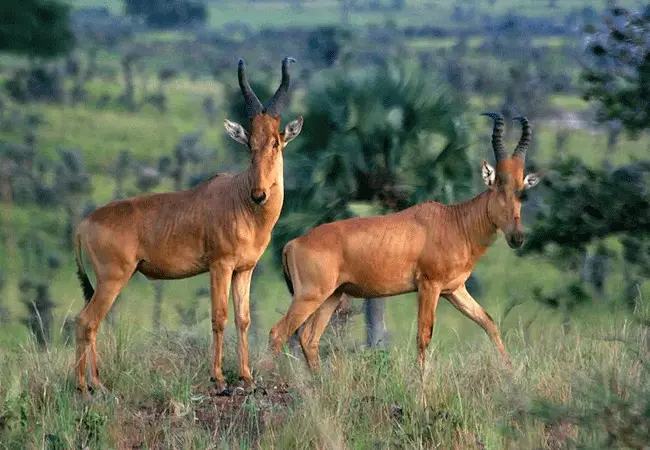
The Roan Antelope Population
Kenya’s last indigenous roan antelope population survives here, a genuinely rare and endangered sighting found nowhere else in the country, giving Ruma a conservation significance well beyond its modest size.
The Lambwe Valley
The park’s original name, and the valley itself remains the core habitat supporting the roan antelope and the park’s broader plains wildlife.
Proximity to Lake Victoria
Ruma’s position near Africa’s largest freshwater lake gives it a genuinely different regional character from Kenya’s more famous Rift Valley and southern parks.
Wildlife Highlights
Roan Antelope
A large, horse-like antelope species with a distinctive dark facial mask and backward-curving horns, Ruma’s population represents the last indigenous roan antelope stronghold anywhere in Kenya, with individual numbers small enough that the species remains on the verge of local extinction despite ongoing protection.
Western Kenya Plains Species
Alongside the roan antelope, Ruma supports a range of other grassland and woodland species adapted to this specific western Kenya ecosystem, distinct from the wildlife communities found in the country’s more visited parks.
Lake Victoria Region Birdlife
The park’s position near Lake Victoria gives its bird community a genuinely different character from Kenya’s Rift Valley parks, reflecting the broader ecological influence of Africa’s largest freshwater lake.
Fun Facts
- Ruma protects the only indigenous population of roan antelope remaining anywhere in Kenya, a species that has largely vanished from the rest of the country.
- The park was originally established in 1966 as the Lambwe Valley Game Reserve before being renamed Ruma in 1983 at the request of the local community.
- The name Ruma is derived from a once-powerful local wizard associated with the area, according to local oral history.
- Ruma is the only terrestrial national park in what was formerly Kenya’s Nyanza Province, making it a genuinely distinct outpost within the country’s broader park system.
- The park is officially classified as one of Kenya’s Important Birding Areas, reflecting its distinct position near Lake Victoria.
Frequently Asked Questions
Why is Ruma National Park significant?
It protects the only indigenous population of roan antelope remaining in Kenya, a species that has largely disappeared elsewhere in the country, giving the park a genuine conservation urgency well beyond its modest size.
How endangered is Ruma’s roan antelope population?
The population remains small enough that the species is considered on the verge of local extinction within Kenya, making every sighting here genuinely significant from a conservation standpoint.
How do I get to Ruma National Park?
Via Homa Bay town in western Kenya, itself accessible by road from Kisumu, with most visitors combining a Ruma stop with a wider western Kenya itinerary.
Is Ruma a good destination for a first Kenya safari?
Not typically. Given its remote location and specialised focus, Ruma suits travellers who’ve already experienced Kenya’s more classic parks and want a quieter, more specifically conservation-focused destination.
What was Ruma called before its current name?
The Lambwe Valley Game Reserve, before being renamed Ruma in 1983 at the request of the local community.