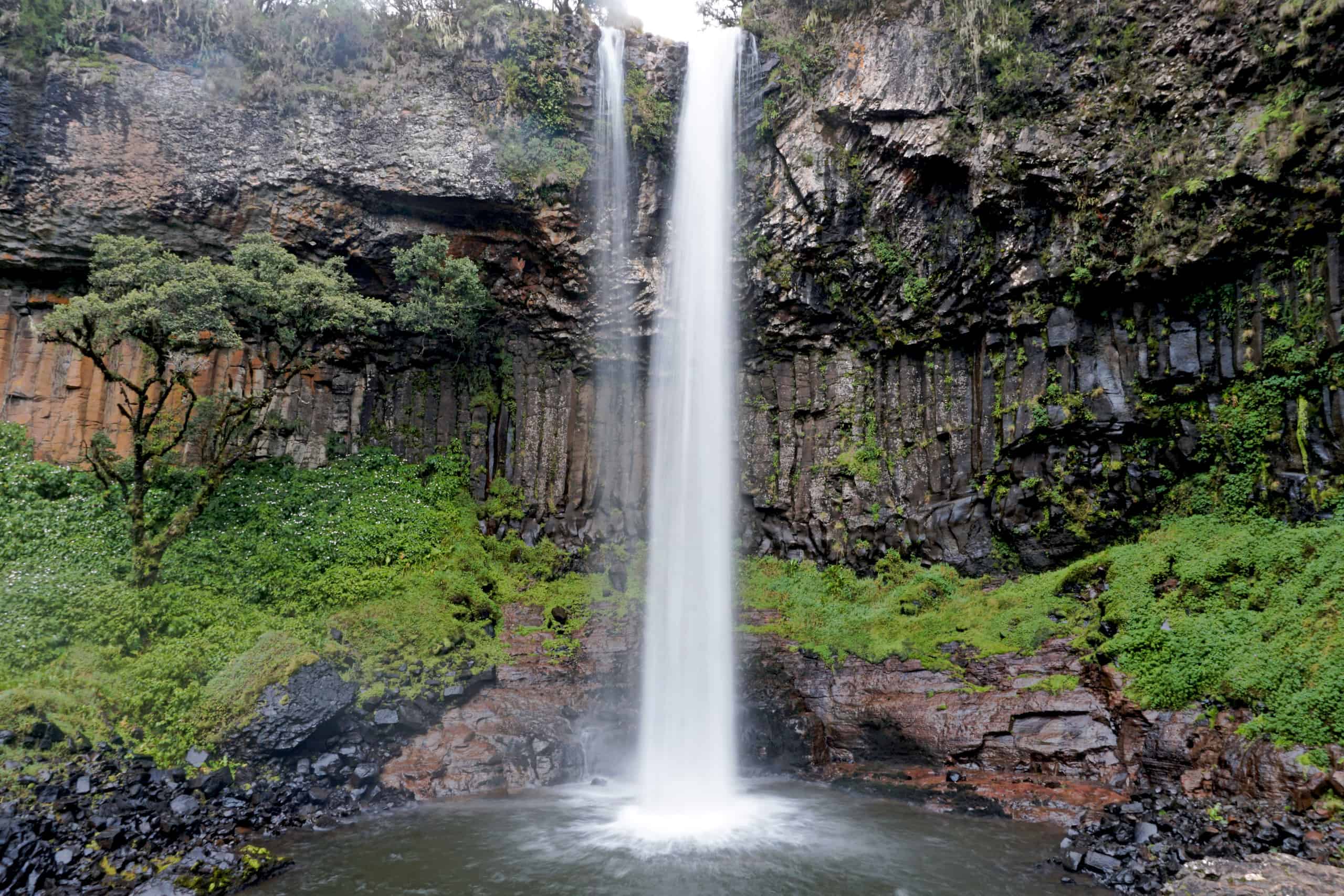
Aberdare National Park
Aberdare National Park Aberdare National Park sits in Kenya’s central highlands, roughly 150 kilometres north of Nairobi, straddling the eastern
Kenya National Parks
Kenya’s protected areas fall into several different governance categories, and the distinction matters more than most first-time visitors expect. National parks are managed directly by the Kenya Wildlife Service, a government body, with standardised entry fees and regulations applied consistently across the network. National reserves, by contrast, are managed by county governments rather than KWS, meaning each sets its own fees, rules, and management priorities independently. This is precisely why the Masai Mara, Kenya’s single most famous safari destination, isn’t actually a national park at all but a reserve administered by Narok County, with a fee structure and seasonal pricing model that looks genuinely different from a standard KWS park. A smaller number of national sanctuaries add a third category, typically smaller, more specialised protected areas focused on a specific conservation priority rather than broad ecosystem protection. None of this distinction changes how wild or well-managed a given destination actually is; a reserve can be every bit as professionally run and genuinely wild as a park. What it does change is practical planning detail, since fees, permit systems, and even permitted activities can differ
Aberdare National Park Aberdare National Park sits in Kenya’s central highlands, roughly 150 kilometres north of Nairobi, straddling the eastern
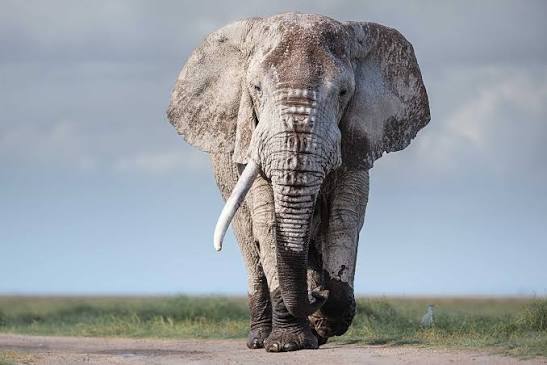
Amboseli National Park Amboseli National Park lies in Kajiado County in southern Kenya, hard against the Tanzanian border, about 240
Kenya’s Geography Creates Natural Groupings
Kenya’s parks aren’t scattered randomly across the country; they cluster into distinct regional groupings shaped by the underlying landscape, and understanding these groupings is genuinely more useful for itinerary planning than a simple alphabetical list. The savanna and Rift Valley belt sits southwest and central, and it’s here that most first-time visitors concentrate their trip: rolling grassland, acacia woodland, and the Rift Valley’s chain of soda and freshwater lakes, all reachable within a few hours of Nairobi. The southeastern corridor, running from Nairobi toward the coast, holds Kenya’s largest protected landscape by far, a considerably drier, more rugged ecosystem than the classic Rift Valley scenery. The arid north forms a third, genuinely distinct region, semi-desert terrain supporting species adapted specifically to that harsher environment, and largely absent from the softer, greener parks further south.
A fourth, smaller category sits apart from these three regional groupings entirely: the handful of protected areas defined less by open savanna wildlife and more by a single dramatic feature, a volcanic mountain, a forested highland, or a specific geological formation, that draws visitors for reasons other than a conventional game drive.
The Savanna and Rift Valley Heartland
This is the Kenya most safari brochures picture: open plains, the classic Big Five, and the country’s most internationally famous single destination, all within relatively easy reach of the capital. The Rift Valley’s own chain of lakes adds a genuinely different character within this same broad region, alkaline soda lakes drawing extraordinary concentrations of flamingo and pelican in years when water chemistry cooperates, alongside freshwater lakes supporting large hippo populations and boat-based activities unavailable on the open savanna.
Central Kenya’s highland parks sit at the northern edge of this same broad region, offering a genuinely cooler, higher-altitude alternative to the savanna’s heat and dust, cloud forest, moorland, and in one case a mountain summit reachable without technical climbing equipment.
The Southeastern Corridor
Stretching from Nairobi’s outskirts toward the coast, this corridor holds Kenya’s single largest protected landscape, a vast expanse of dry acacia bush considerably less crowded than the Rift Valley circuit even during peak season, given its sheer scale relative to visitor numbers. A smaller, more scenically varied park sits directly across the main highway from its larger neighbour, trading size for volcanic hills, natural springs, and a genuinely different landscape character within a more compact area. A narrow volcanic range further inland connects these southeastern parks to the country’s more famous elephant-and-mountain-backdrop destination further west, forming one of the largest continuous elephant ranges anywhere on the continent.
The Arid North
Kenya’s northern reserves offer a genuinely different safari register from anywhere further south: rugged, semi-desert terrain, a river system that functions as the region’s entire ecological lifeline, and a specific set of arid-adapted species, striped zebra, long-necked giraffe, spiral-horned antelope, found reliably nowhere else in the country. A more remote northern outpost adds a forested volcanic mountain rising unexpectedly from the surrounding desert, along with one of the more compelling individual conservation stories in Kenya’s wildlife history.
This region generally demands more travel time and a somewhat higher budget than the Rift Valley circuit, but rewards travellers specifically seeking a species list and landscape genuinely distinct from Kenya’s more visited parks.
Specialist and Activity-Focused Parks
A handful of Kenya’s protected areas exist less for classic Big Five viewing and more for a single, genuinely distinctive activity or feature. One small Rift Valley park permits cycling and walking among wildlife specifically because it holds no large predators at all, a genuine rarity anywhere in East Africa. A privately run, non-profit conservancy on the central highlands plateau focuses specifically on rhino conservation and offers activities, night drives, rhino tracking on foot, not typically available in government-run parks. A small western Kenya park protects the country’s last indigenous population of a single, genuinely endangered antelope species, found nowhere else within Kenya’s borders. And a compact reserve on the doorstep of the capital itself lets visitors see wild lion and rhino with a modern city skyline visible in the same frame, a juxtaposition genuinely unique to this one location.
How Kenya’s Regions Compare
Region | Character | Best Suited To |
Savanna and Rift Valley heartland | Classic Big Five plains, lake systems, highest overall visitor density | First-time visitors, migration timing, efficient short trips |
Southeastern corridor | Vast, drier landscape, lower crowding relative to scale | Travellers wanting genuine space and a coastal add-on |
Arid north | Semi-desert terrain, arid-adapted species found nowhere else | Repeat visitors or those seeking a genuinely different species list |
Highlands and mountains | Cooler, higher-altitude forest and moorland | Travellers wanting scenery and activity variety beyond game drives |
Specialist/activity parks | Defined by a single distinctive feature or activity | Travellers with a specific interest, rhino conservation, walking, cycling |
When to Visit, Region by Region
Season | Months | What to Expect |
Long dry season | June – October | Best wildlife concentration across nearly all regions; peak crowding and pricing |
Short dry season | December – February | Strong conditions across most parks, somewhat quieter than mid-year |
Long rains | March – May | Lower rates and fewer visitors, though wildlife disperses more widely and some roads become difficult |
Short rains | November | A reasonable value compromise, generally less disruptive than the long rains |
This broad pattern holds reasonably well across most of Kenya, though it’s worth noting that reserves managed by county governments, the Masai Mara specifically, have moved toward their own seasonal pricing models in recent years, meaning the cost difference between visiting in peak versus shoulder season can be considerably more pronounced there than at a standard KWS park operating on a flat, year-round fee.
Understanding Kenya’s Fee Structure Before You Budget
Because Kenya’s protected areas span multiple governing authorities, there is no single, uniform entry fee across the country, and building an accurate multi-park budget means checking each specific destination rather than assuming a flat national rate. KWS-managed parks generally fall into tiered pricing categories reflecting a park’s overall popularity and conservation priority, with the country’s most iconic single destinations commanding premium rates and smaller, less-visited parks charging considerably less. County-managed reserves set their own fees independently, and these have moved toward seasonal pricing models distinct from the flatter, year-round KWS structure. Private conservancies add a further layer again, typically charging their own conservation fees on top of, or instead of, standard park entry, reflecting their independent, non-government management model.
Building a Kenya Itinerary Around This Structure
The most common mistake we see in early-stage Kenya planning is choosing parks purely by name recognition rather than by genuine geographic and thematic fit. A well-sequenced itinerary generally anchors around one region rather than attempting to sample all four, since the transfer time between, say, the Rift Valley heartland and the arid north is genuinely substantial and rarely worth the sacrifice in depth at any single destination.
For a first Kenya safari, the savanna and Rift Valley heartland remains the sensible default, offering the most efficient combination of iconic wildlife, manageable transfer times, and well-established infrastructure. Travellers on a second or subsequent trip, or those with a specific interest, walking safaris, rhino conservation, a genuinely different species list, are generally better served choosing one of the other regional groupings deliberately, rather than treating it as an afterthought squeezed into an already-packed northern circuit itinerary.
Combining Kenya with Neighbouring Countries
Kenya’s savanna heartland connects directly to Tanzania’s northern circuit across a shared ecosystem, making a combined Kenya-Tanzania migration-focused trip one of the most natural multi-country itineraries in East Africa. Kenya’s arid north and highland parks are less commonly combined with a second country, generally working better as an extension within a longer, Kenya-focused trip rather than a cross-border addition.
Frequently Asked Questions
How many national parks does Kenya have?
The Kenya Wildlife Service manages 23 national parks, alongside 28 national reserves and 4 national sanctuaries, together covering roughly 8 percent of the country’s total land area.
Is the Masai Mara a national park?
No, it’s a national reserve managed by Narok County government rather than the Kenya Wildlife Service, which means it operates its own separate fee structure and management rules distinct from standard KWS parks.
What’s the difference between a national park and a national reserve in Kenya?
National parks are managed directly by the Kenya Wildlife Service with standardised fees and rules. National reserves are managed by individual county governments, which set their own fees and regulations independently.
Which region should a first-time visitor prioritise?
The savanna and Rift Valley heartland in southwestern and central Kenya generally offers the most efficient combination of iconic wildlife and manageable travel logistics for a first safari.
Can I combine multiple Kenyan regions in a single trip?
It’s possible but generally not advisable for a first visit, since transfer times between regions like the arid north and the southeastern corridor are substantial. Most well-planned itineraries anchor around a single region.
Are private conservancies part of the national park system?
No, private conservancies operate independently of both KWS and county government management, typically charging their own conservation fees and often permitting activities, like night drives and walking safaris, not available in the main public parks and reserves.
Does Kenya have parks with no dangerous predators?
Yes, a small number of parks and reserves hold a low enough density of dangerous game to permit walking and cycling activities not possible elsewhere, a genuine point of difference within the wider Kenyan park system.